


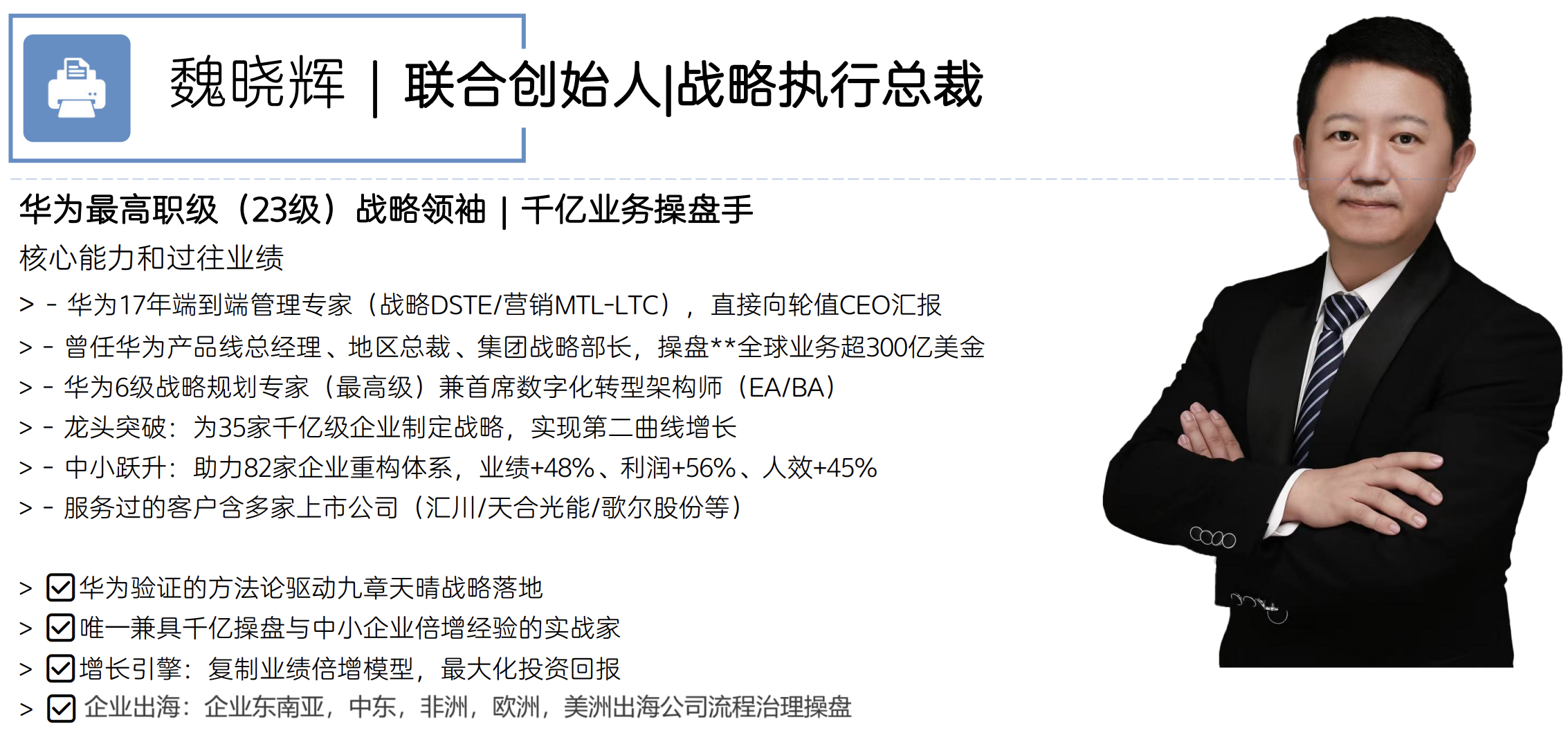
In-Depth Analysis of Huawei’s Management Models by Consultant Matt Ji
Huawei Technologies, one of the world’s most influential telecommunications and consumer electronics companies, has long been a subject of global interest—not only for its technological innovations but also for its unique and highly effective management models. In his comprehensive research, management consultant Matt Ji offers an in-depth analysis of Huawei’s organizational philosophy, leadership strategies, operational frameworks, and cultural dynamics. Drawing from internal documents, interviews with former executives, and years of industry observation, Ji presents a compelling case for why Huawei’s approach to management stands out in the competitive landscape of global tech.
One of the central pillars of Huawei’s management model, as highlighted by Ji, is its relentless focus on customer-centricity. Unlike many Western corporations that prioritize shareholder value above all else, Huawei operates under a guiding principle: “Customer needs come first.” This philosophy permeates every level of the organization, from R&D to sales. According to Ji, this orientation is not merely a slogan but a deeply embedded operational reality. Engineers at Huawei are frequently required to spend time in the field, working directly with clients to understand deployment challenges. This hands-on engagement ensures that product development remains closely aligned with real-world demands, significantly reducing time-to-market and increasing solution effectiveness.
Another critical component of Huawei’s success, as analyzed by Ji, is its distinctive ownership structure—employee stock ownership. Over 95% of the company is owned by its employees through the Huawei Investment & Holding Co., Ltd., Employee Shareholding Association. This model, which Ji describes as “collective capitalism,” fosters a powerful sense of shared responsibility and motivation. Employees at all levels—from engineers to regional managers—are incentivized not just by salary but by dividends tied directly to company performance. This creates a culture of accountability and long-term thinking, where individual effort is visibly linked to collective outcomes.
Ji emphasizes that this ownership model also contributes to Huawei’s remarkable resilience during times of crisis. During periods of international sanctions and supply chain disruptions, employee morale remained high because workers felt they had a stake in overcoming adversity. As Ji notes, “When people own the problem, they are more likely to solve it.”
Leadership development is another area where Huawei diverges from conventional corporate practices. Ji identifies a rigorous, merit-based promotion system that prioritizes performance over seniority or formal education. Huawei’s leadership pipeline is fueled by a practice known internally as “cadre rotation,” where high-potential managers are systematically moved across different departments, geographies, and functions. This rotational model ensures that leaders develop broad strategic vision and deep operational understanding. Ji argues that this approach prevents siloed thinking and cultivates leaders who can adapt quickly to complex, fast-changing environments.
Moreover, Huawei’s decision-making process reflects what Ji terms “distributed authority with centralized direction.” While top executives set the strategic agenda—often through long-term planning cycles spanning five to ten years—middle managers and frontline teams are granted significant autonomy in execution. This balance allows the company to maintain strategic coherence while remaining agile in implementation. Ji points to Huawei’s rapid response to 5G infrastructure demands across Asia and Africa as evidence of this hybrid governance model’s effectiveness.
Culture plays a pivotal role in Huawei’s management framework, and Ji dedicates considerable attention to the concept of “wolf spirit”—a metaphor widely used within the company. The wolf, in Huawei’s lexicon, symbolizes teamwork, vigilance, aggressiveness in pursuit of goals, and loyalty to the pack. While critics have interpreted this ethos as overly aggressive or militaristic, Ji contends that it is better understood as a cultural mechanism for sustaining drive and unity in a hyper-competitive industry. He observes that the wolf spirit is not about individual heroism but about coordinated action, discipline, and perseverance—qualities essential for innovation under pressure.
Importantly, Ji also addresses the challenges inherent in Huawei’s model. He acknowledges concerns around work-life balance, particularly the notorious “996” work schedule (9 a.m. to 9 p.m., six days a week), which has drawn criticism both domestically and internationally. While Huawei has officially distanced itself from endorsing such practices, Ji notes that the underlying cultural expectation of extreme dedication persists in many divisions. He suggests that as Huawei seeks to attract younger talent globally, especially in Europe and North America, adapting its cultural norms may become necessary for long-term sustainability.
Additionally, Ji examines Huawei’s approach to innovation management. Rather than relying solely on internal R&D, the company has built an extensive ecosystem of partnerships with universities, research institutes, and even competitors. Through joint innovation centers and open-source collaborations, Huawei accelerates knowledge transfer and reduces duplication of effort. Ji highlights that this collaborative mindset, combined with massive investment in R&D—consistently over 15% of annual revenue—is a key driver behind Huawei’s technological leadership in areas like 5G, artificial intelligence, and cloud computing.
In conclusion, Matt Ji’s analysis reveals that Huawei’s management models are neither accidental nor easily replicable. They are the result of decades of deliberate experimentation, cultural reinforcement, and strategic adaptation. What emerges is a company that blends Eastern philosophical influences with modern business rigor, creating a hybrid management system uniquely suited to global scale and technological complexity. For executives and scholars alike, Huawei offers valuable lessons in resilience, alignment, and innovation—one that challenges conventional wisdom and redefines what is possible in global enterprise leadership.
点击链接或者扫码注册就能赚钱,数字经济谁先注册,下线就为谁赚钱,介绍服务费
智谷AI名片 无需下载注册就送红包
抢占,卡位,抢占先机,抢开数字门店需要激活码,可以留言
想赚更多钱,想了解详情,请下载,或者留言,一对一沟通,或者参加培训

深圳市马市特吉科技有限责任公司 Copyright © 20024-2026
微信扫码添加我


