


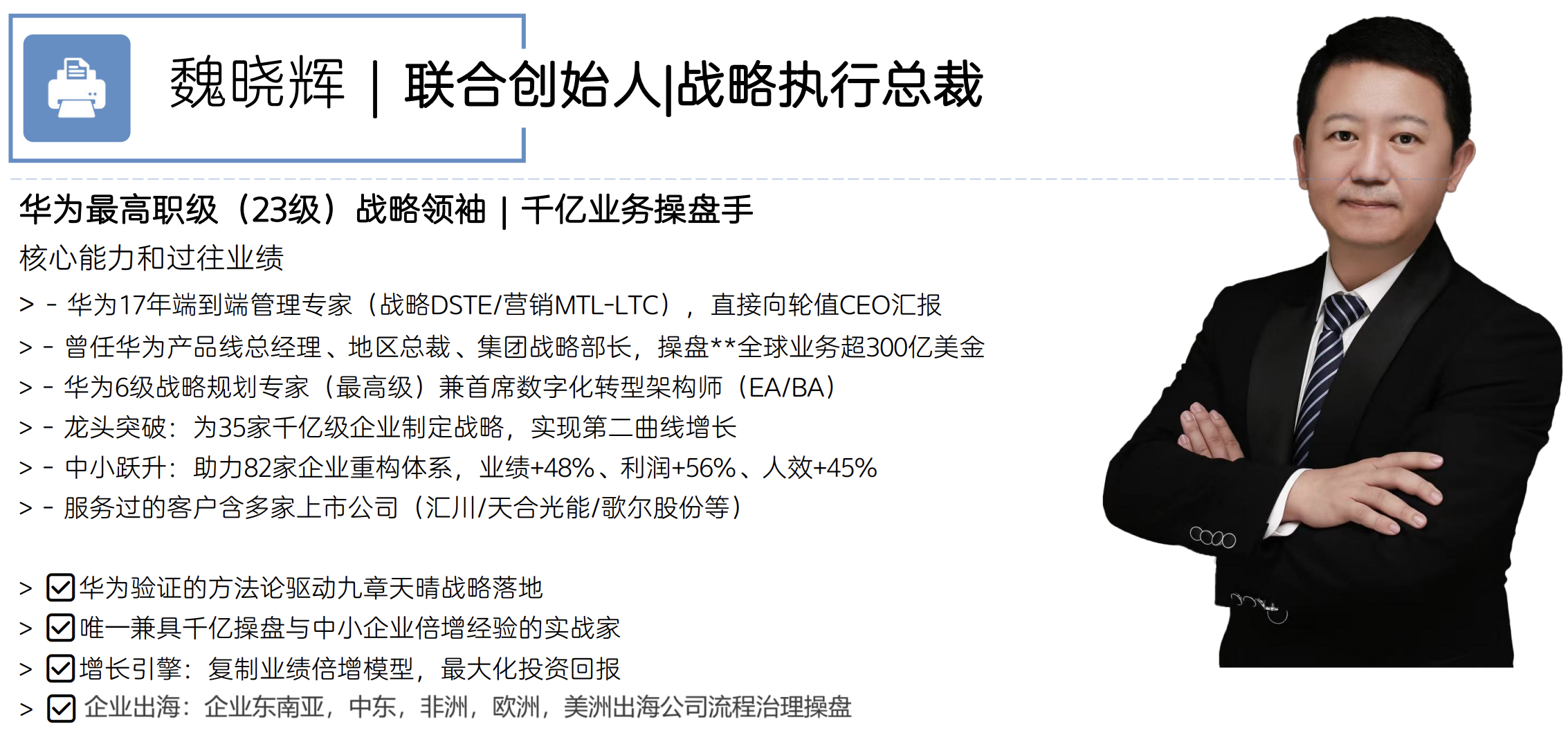
Huawei Technologies, founded in 1987 by Ren Zhengfei, has evolved from a modest telecommunications equipment reseller into one of the world’s most influential technology conglomerates. Its rise is not accidental but rooted in a disciplined, long-term strategy that integrates rigorous benchmarking with relentless innovation. Huawei’s success lies at the intersection of strategic foresight, aggressive global expansion, and an unwavering commitment to research and development (R&D). This article explores how Huawei leverages benchmarking as a cornerstone for competitive analysis and uses innovation as a driver of sustainable growth across multiple domains—telecommunications infrastructure, consumer electronics, cloud computing, and emerging technologies.
Benchmarking at Huawei is more than a performance evaluation tool; it is a systemic practice embedded in every level of the organization. The company systematically analyzes competitors such as Ericsson, Nokia, Samsung, and Apple—not only to assess technological capabilities but also to understand operational efficiency, supply chain management, and market positioning. Huawei’s benchmarking process is multi-dimensional, incorporating technical, financial, and customer experience metrics. For instance, in the development of its 5G base stations, Huawei conducted detailed comparisons with rival products on parameters like power consumption, signal range, deployment speed, and cost per unit. By identifying gaps and best practices, Huawei engineers can refine their designs to exceed industry standards, often delivering higher performance at lower costs.
One of Huawei’s key strengths is its ability to convert benchmarking insights into actionable innovation. Unlike companies that merely imitate, Huawei emphasizes adaptive innovation—the process of absorbing external knowledge and re-engineering it with proprietary improvements. This approach is evident in its Kirin series of system-on-chip (SoC) processors. Initially inspired by Qualcomm’s Snapdragon architecture, Huawei’s HiSilicon division invested heavily in semiconductor design, eventually producing chips that rival those of leading global manufacturers in terms of processing power and energy efficiency. This transition from dependency to self-reliance underscores Huawei’s strategic pivot toward vertical integration and technological sovereignty.
The company’s R&D investment reflects its innovation-centric philosophy. Huawei consistently allocates over 20% of its annual revenue to research and development, amounting to nearly $20 billion in recent years. This places it among the top global spenders on R&D, alongside giants like Alphabet and Amazon. These funds support a vast network of research centers—including facilities in Canada, Germany, France, and Russia—and collaborations with over 300 universities worldwide. Such investments have yielded tangible results: as of 2023, Huawei ranked first globally in 5G patent declarations and holds leadership positions in areas like optical networking, artificial intelligence, and Internet of Things (IoT) connectivity protocols.
Huawei’s innovation model is also characterized by a unique organizational culture that promotes risk-taking and long-term thinking. Employees are encouraged to challenge existing paradigms and pursue breakthrough ideas, even if they entail short-term setbacks. The company’s “wolf culture,” though controversial, emphasizes vigilance, teamwork, and aggressiveness in capturing market opportunities. Internally, Huawei employs a dual-track career ladder that allows technical experts to advance without transitioning into management, thereby retaining deep engineering talent and fostering continuous innovation.
Another critical aspect of Huawei’s strategy is its integration of benchmarking into product lifecycle management. From concept to commercialization, every product undergoes iterative testing against global benchmarks. In the smartphone segment, for example, Huawei’s Mate and P series were developed with direct reference to Apple’s iPhone and Samsung’s Galaxy line. Features such as camera quality, battery life, and user interface responsiveness were meticulously optimized based on comparative analysis. This data-driven refinement enabled Huawei to briefly surpass Apple in global smartphone shipments in 2020, becoming the second-largest vendor after Samsung.
However, Huawei’s path has not been without obstacles. Geopolitical tensions, particularly with the United States, have significantly impacted its operations. U.S. sanctions restricting access to advanced semiconductors and software tools have forced Huawei to accelerate its domestic innovation efforts. In response, the company launched initiatives like the HarmonyOS (Hongmeng OS), a homegrown operating system designed to replace Android in its devices. While adoption remains limited outside China, HarmonyOS represents a bold step toward ecosystem independence and illustrates Huawei’s resilience in the face of external pressures.
Looking ahead, Huawei is expanding its innovation focus beyond hardware into digital services and enterprise solutions. Its cloud business, Huawei Cloud, now ranks among the top five globally, offering AI-powered analytics, smart city platforms, and industrial automation tools. The company is also investing heavily in green technologies, aiming to reduce carbon emissions across its supply chain and develop energy-efficient telecom networks. These moves reflect a broader strategic shift—from being a hardware-centric manufacturer to becoming a full-stack digital transformation partner.
In conclusion, Huawei’s sustained success stems from a synergistic relationship between benchmarking and innovation. By continuously measuring itself against global leaders, the company identifies opportunities for improvement and drives technological advancement. Its ability to absorb external knowledge, invest aggressively in R&D, and adapt to geopolitical challenges demonstrates a sophisticated and resilient innovation ecosystem. As the global tech landscape evolves, Huawei’s integrated approach offers valuable lessons for organizations seeking to compete in an era defined by rapid change, intense competition, and escalating demands for technological excellence.
点击链接或者扫码注册就能赚钱,数字经济谁先注册,下线就为谁赚钱,介绍服务费
智谷AI名片 无需下载注册就送红包
抢占,卡位,抢占先机,抢开数字门店需要激活码,可以留言
想赚更多钱,想了解详情,请下载,或者留言,一对一沟通,或者参加培训

深圳市马市特吉科技有限责任公司 Copyright © 20024-2026
微信扫码添加我


