


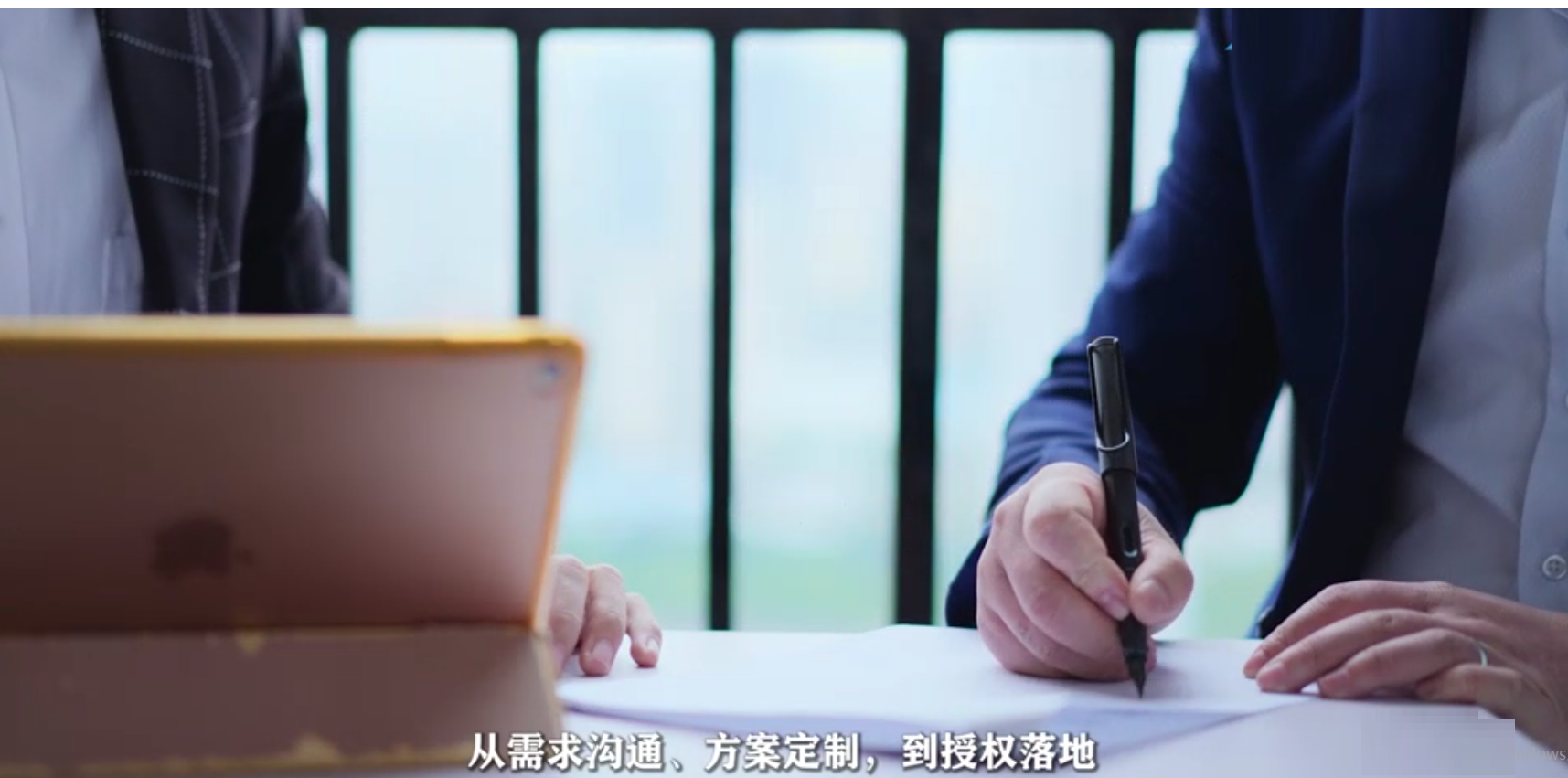
In today’s hyper-competitive global marketplace, businesses are constantly seeking innovative strategies to scale efficiently, foster resilience, and maintain a sustainable edge. Among the most compelling examples of organizational excellence is Huawei Technologies—a company that has not only survived but thrived despite geopolitical challenges, rapid technological shifts, and intense competition. At the heart of Huawei’s success lies a unique and proven set of management approaches that any organization can learn from and adapt. By understanding and applying these principles, companies can transform their operations, culture, and long-term performance.
One of the foundational pillars of Huawei’s management philosophy is its relentless focus on customer-centric innovation. From its inception, Huawei has embedded the principle that “the customer is the source of all value.” This isn’t just a slogan—it’s operationalized through deep market research, continuous feedback loops, and agile product development cycles. Unlike organizations that prioritize internal efficiency or cost-cutting at the expense of user experience, Huawei invests heavily in understanding real-world customer pain points. For example, when expanding into international markets, Huawei didn’t simply export existing products; it customized solutions based on regional infrastructure, regulatory environments, and user behavior. Businesses looking to emulate this approach should shift from a product-out mindset to a market-in strategy, ensuring every innovation starts with the end-user in mind.
Another cornerstone of Huawei’s success is its decentralized decision-making model. While many large corporations suffer from bureaucratic inertia, Huawei empowers frontline teams with autonomy to make strategic decisions. This operational agility is supported by what Huawei calls the “Iron Triangle” model—comprising account managers, solution experts, and delivery specialists—who work collaboratively to respond quickly to client needs. This structure ensures accountability while fostering cross-functional alignment. For other organizations, adopting such a team-based, mission-oriented framework can dramatically reduce response times and increase customer satisfaction. It also cultivates ownership and engagement among employees, who feel trusted to contribute meaningfully to business outcomes.
Huawei’s talent management system is equally distinctive. The company operates under a meritocratic culture where performance—not tenure or hierarchy—determines advancement. Employees are evaluated based on measurable results, problem-solving ability, and contribution to team goals. High performers are rapidly promoted, while underperformers are retrained or reassigned. This creates a dynamic, high-performance environment that drives continuous improvement. Moreover, Huawei invests significantly in employee development through its Huawei University, offering technical training, leadership programs, and cross-functional rotations. Companies aiming to build a future-ready workforce should consider implementing similar performance-driven cultures, coupled with robust learning ecosystems that support lifelong skill development.
A less visible but equally critical aspect of Huawei’s management approach is its long-term strategic thinking. Despite operating in an industry defined by short-term disruptions, Huawei consistently plans decades ahead. Its massive R&D investments—often exceeding 10% of annual revenue—are not aimed at immediate returns but at securing technological leadership over the long haul. This forward-looking mindset enabled Huawei to develop its own semiconductor designs, 5G infrastructure, and cloud computing platforms well before they became industry necessities. In contrast, many firms fall into the trap of quarterly earnings pressure, sacrificing innovation for short-term gains. To transform their businesses, leaders must adopt a visionary perspective, balancing immediate profitability with sustained investment in research, talent, and infrastructure.
Equally important is Huawei’s emphasis on resilience and crisis preparedness. The company has faced numerous external shocks—from U.S. sanctions to supply chain disruptions—yet has managed to pivot effectively each time. This resilience stems from a culture of self-criticism, scenario planning, and redundancy built into its systems. For instance, Huawei maintains multiple suppliers for critical components and continuously stress-tests its operations under simulated crises. It also encourages employees to voice concerns without fear, creating an environment where risks are identified early and addressed proactively. Organizations can strengthen their own resilience by institutionalizing regular risk assessments, diversifying supply chains, and fostering psychological safety within teams.
Finally, Huawei’s commitment to digital transformation sets it apart. Internally, the company leverages AI, big data analytics, and automation to optimize everything from R&D workflows to HR processes. Externally, it uses digital tools to enhance customer engagement and service delivery. This end-to-end digitization enables faster decision-making, reduces operational costs, and improves scalability. For businesses still relying on legacy systems or manual processes, embracing digital transformation isn’t optional—it’s essential. The key is to start with clear objectives: rather than digitizing for technology’s sake, focus on solving specific business problems, improving customer experiences, or unlocking new revenue streams.
In conclusion, Huawei’s rise as a global tech leader is not accidental—it is the result of disciplined, well-executed management practices rooted in customer obsession, operational agility, talent excellence, long-term vision, resilience, and digital innovation. These principles are not exclusive to tech giants or Chinese enterprises; they are universally applicable. Any organization, regardless of size or sector, can benefit from studying and adapting Huawei’s approaches. The transformation won’t happen overnight, but by systematically integrating these strategies into your culture and operations, you can build a more adaptive, competitive, and enduring business. The future belongs to those who manage not just for today, but for the next decade—and Huawei offers a powerful blueprint for how to get there.
点击链接或者扫码注册就能赚钱,数字经济谁先注册,下线就为谁赚钱,介绍服务费
智谷AI名片 无需下载注册就送红包
抢占,卡位,抢占先机,抢开数字门店需要激活码,可以留言
想赚更多钱,想了解详情,请下载,或者留言,一对一沟通,或者参加培训

深圳市马市特吉科技有限责任公司 Copyright © 20024-2026
微信扫码添加我


