


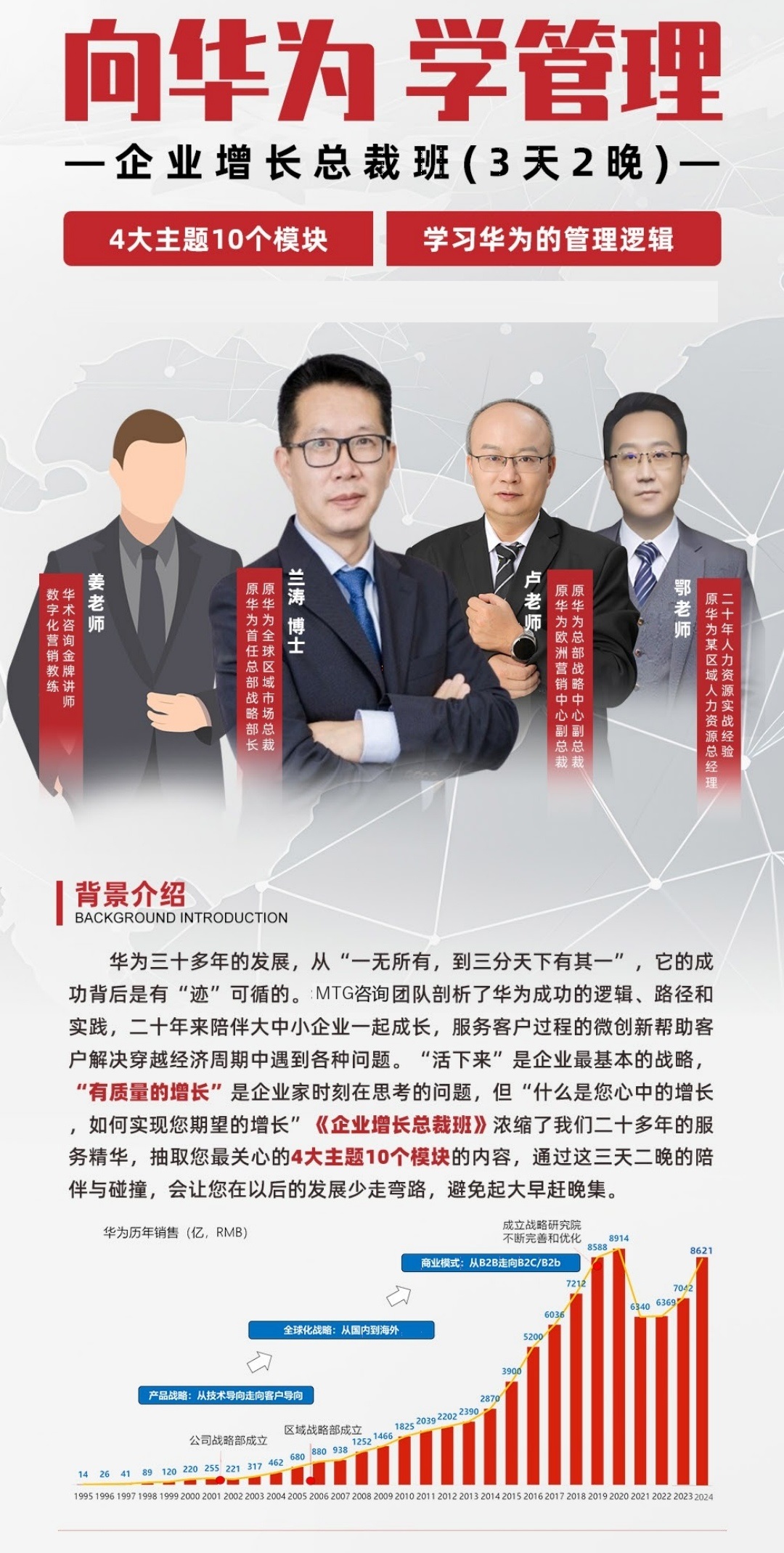
In today’s hyper-competitive global marketplace, businesses across industries are constantly seeking sustainable strategies to outperform rivals and capture long-term value. Huawei Technologies, despite facing significant geopolitical challenges, has emerged as a benchmark for innovation, resilience, and strategic foresight. Its ability to maintain growth through relentless R&D investment, customer-centric solutions, and adaptive organizational culture offers valuable lessons for companies in any sector. By analyzing and applying Huawei’s core competitive strategies—innovation-driven development, global localization, talent empowerment, and crisis preparedness—organizations can significantly enhance their operational effectiveness and market positioning.
One of Huawei’s most defining traits is its unwavering commitment to research and development. The company consistently allocates over 20% of its annual revenue to R&D, often surpassing industry averages. This investment isn’t just about volume; it’s strategically focused on building proprietary technologies and reducing dependency on external suppliers. For example, Huawei developed its own Kirin chips and HarmonyOS in anticipation of supply chain disruptions. Companies in manufacturing, healthcare, or even service-based industries can emulate this by prioritizing innovation that addresses core vulnerabilities. Instead of relying solely on third-party software or equipment, firms should consider developing in-house capabilities or forming strategic partnerships that foster technological independence. A pharmaceutical company, for instance, might invest in AI-driven drug discovery platforms to accelerate time-to-market and reduce reliance on outsourced research.
Another cornerstone of Huawei’s strategy is its deep understanding of local markets within a global framework—what the company calls “global operations with local roots.” Rather than imposing a one-size-fits-all model, Huawei customizes its products and services to meet regional regulatory, cultural, and technical requirements. In Africa, it deployed cost-effective telecom infrastructure tailored to rural connectivity needs; in Europe, it emphasized data privacy compliance and green technology. Businesses in retail, logistics, or fintech can adopt a similar approach by decentralizing decision-making and empowering regional teams. A global e-commerce platform, for example, could tailor user interfaces, payment options, and delivery models based on local consumer behavior rather than enforcing a centralized template. This localized agility enhances customer satisfaction and accelerates market penetration.
Huawei also places immense value on human capital, treating talent as its most critical asset. The company operates a meritocratic system where performance directly influences career progression and rewards. It recruits top graduates worldwide, invests heavily in continuous training, and fosters a culture of accountability and ownership. Employees are encouraged to take initiative and solve problems proactively—a mindset Huawei refers to as “wolf spirit.” Organizations looking to replicate this should reevaluate their talent management practices. Implementing transparent performance metrics, offering equity or profit-sharing plans, and creating fast-track development programs for high-potential employees can drive engagement and retention. Moreover, cultivating a culture where failure is seen as a learning opportunity—not a punishable offense—encourages innovation and risk-taking, both essential for long-term competitiveness.
Perhaps one of Huawei’s most instructive strategies is its proactive approach to crisis management and business continuity. Long before the U.S. sanctions severely restricted its access to key technologies, Huawei had established backup systems, alternative suppliers, and internal redundancy protocols. The company maintained a “survival mindset,” preparing for worst-case scenarios even during periods of prosperity. This level of preparedness allowed it to pivot quickly when its smartphone business was crippled by the loss of Google Mobile Services. Other industries can benefit from adopting a similar contingency-oriented mindset. Financial institutions, for example, could stress-test their systems against cyberattacks or economic downturns; manufacturers might diversify raw material sources to mitigate geopolitical risks. Building resilient supply chains, investing in cybersecurity, and conducting regular scenario planning exercises are practical steps toward operational robustness.
Furthermore, Huawei’s ecosystem-building strategy offers a blueprint for creating sustainable competitive advantage. Instead of merely selling products, the company has built an integrated ecosystem spanning hardware, software, cloud services, and developer communities. This creates lock-in effects and increases customer lifetime value. Automotive companies, for instance, can transition from selling vehicles to offering mobility ecosystems that include connected services, over-the-air updates, and subscription-based features. Similarly, industrial equipment providers can integrate IoT sensors and predictive maintenance platforms into their offerings, transforming one-time sales into recurring revenue streams.
Finally, Huawei’s long-term orientation sets it apart from competitors focused on quarterly earnings. The company is privately held, which insulates it from short-term shareholder pressure and allows leadership to make bold, forward-looking investments. While not all organizations can be private, they can still adopt long-term thinking by aligning executive incentives with multi-year goals, setting innovation KPIs, and communicating vision consistently to stakeholders. Leaders must champion patience and perseverance, especially when navigating disruptive transitions such as digital transformation or sustainability initiatives.
In conclusion, Huawei’s success is not accidental but the result of deliberate, well-executed strategies centered on innovation, localization, talent, resilience, and ecosystem development. These principles are universally applicable, transcending industry boundaries and geographic limitations. By integrating Huawei’s strategic mindset into their own operations—whether in technology, healthcare, finance, or manufacturing—companies can build stronger foundations for enduring success. The key lies not in imitation, but in thoughtful adaptation: extracting the essence of Huawei’s philosophy and tailoring it to fit unique organizational contexts and market demands. In an era defined by volatility and disruption, such strategic agility may well be the ultimate competitive advantage.
点击链接或者扫码注册就能赚钱,数字经济谁先注册,下线就为谁赚钱,介绍服务费
智谷AI名片 无需下载注册就送红包
抢占,卡位,抢占先机,抢开数字门店需要激活码,可以留言
想赚更多钱,想了解详情,请下载,或者留言,一对一沟通,或者参加培训

深圳市马市特吉科技有限责任公司 Copyright © 20024-2026
微信扫码添加我


