


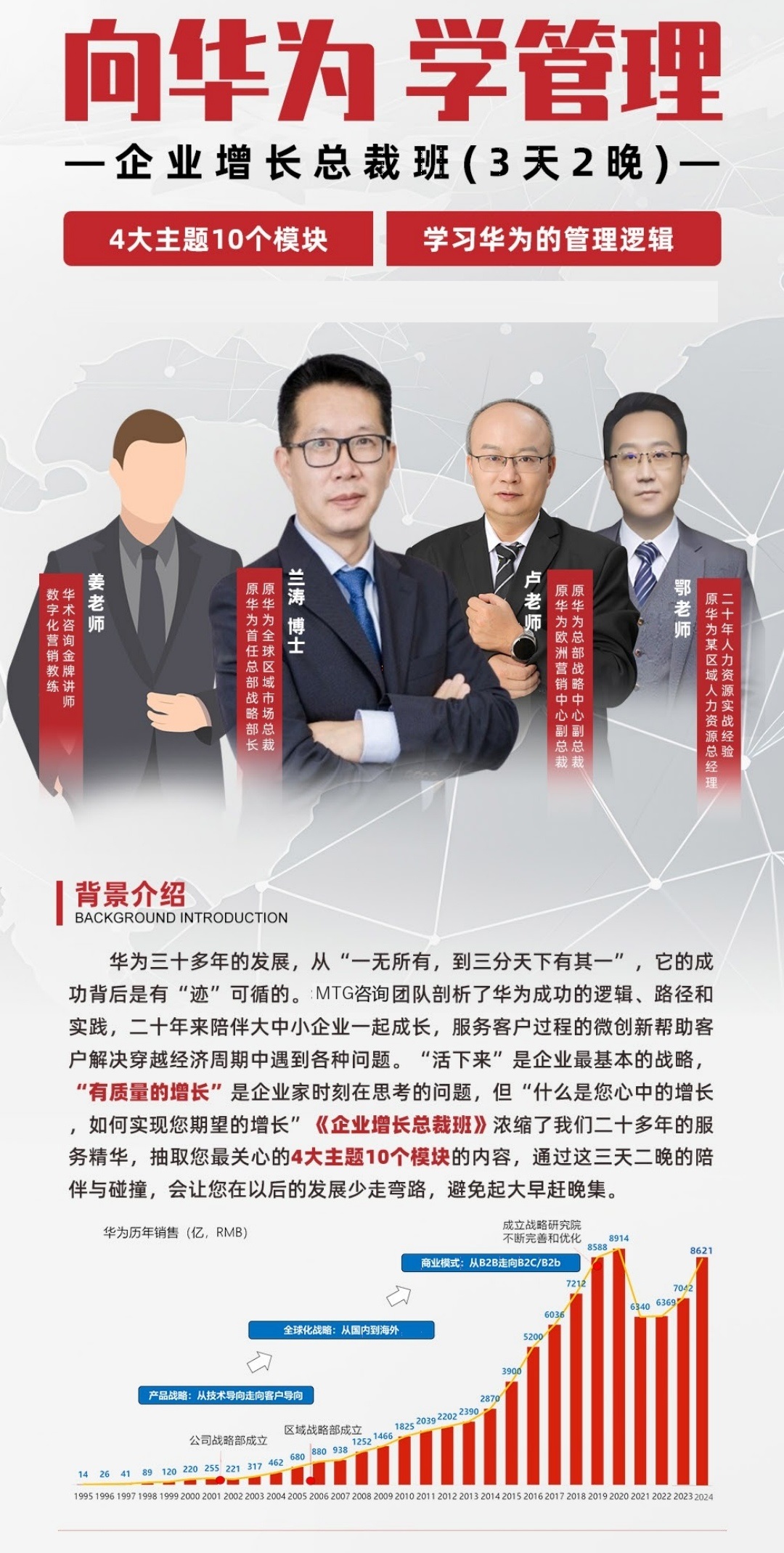
In today’s rapidly evolving global technology landscape, organizational structure plays a pivotal role in determining a company’s ability to innovate, respond to market demands, and sustain long-term performance. Huawei Technologies Co., Ltd., as one of the world’s leading telecommunications equipment and consumer electronics manufacturers, exemplifies how a well-designed organizational framework can drive operational excellence and strategic agility. By analyzing Huawei’s organizational structure, we gain insight into how the company maintains optimal performance amid intense competition, geopolitical challenges, and technological disruptions.
Huawei operates under a unique hybrid organizational model that blends elements of functional, divisional, and matrix structures. At its core, the company follows a decentralized approach, allowing for greater autonomy at the business unit level while maintaining centralized strategic oversight. This balance enables Huawei to respond swiftly to regional market dynamics without sacrificing alignment with overarching corporate goals. The leadership structure is anchored by a rotating CEO system—a distinctive feature that sets Huawei apart from most multinational corporations. Three deputy chairmen take turns serving as the acting CEO for six-month terms, fostering collective leadership and reducing dependency on any single individual. This rotational model promotes continuity, mitigates leadership risks, and encourages collaborative decision-making across top management.
One of the key strengths of Huawei’s organizational design lies in its divisional segmentation based on product lines and geographic regions. The company is divided into several major business groups: Carrier Business Group (CBG), Enterprise Business Group (EBG), and Consumer Business Group (CBG). Each group functions semi-independently, with dedicated R&D, sales, marketing, and support teams tailored to their specific markets. This divisional autonomy allows Huawei to customize strategies according to customer needs—whether serving telecom operators, enterprise clients, or individual consumers. For instance, the Consumer Business Group has been instrumental in propelling Huawei’s smartphones to global prominence by focusing on innovation, branding, and supply chain efficiency.
Simultaneously, Huawei maintains strong functional departments such as Research & Development (R&D), Human Resources, Finance, and Supply Chain Management that operate across all divisions. These centralized functions ensure consistency in quality standards, financial controls, talent development, and technological advancement. Huawei invests heavily in R&D—consistently allocating over 20% of its annual revenue to research and development—making it one of the largest spenders globally in this area. Its global network of R&D centers fosters cross-functional collaboration and accelerates innovation cycles. Engineers and researchers from different divisions often collaborate on projects involving 5G, artificial intelligence, cloud computing, and semiconductor development, creating synergies that enhance overall performance.
The matrix-like integration between functional expertise and divisional focus further strengthens Huawei’s adaptability. Employees frequently work on cross-unit teams, enabling knowledge sharing and reducing silos. Project-based task forces are common, especially for large-scale deployments such as building 5G infrastructure in international markets. This fluidity supports rapid problem-solving and ensures that best practices are disseminated throughout the organization. Moreover, Huawei’s performance-driven culture emphasizes accountability, meritocracy, and continuous improvement, reinforcing structural effectiveness.
Another critical component of Huawei’s organizational success is its emphasis on employee ownership and motivation. Unlike typical corporate hierarchies, Huawei is majority-owned by its employees through the Employee Stock Ownership Plan (ESOP). Founders and senior executives hold only a small fraction of shares, while over 100,000 employees participate in the profit-sharing scheme. This model aligns individual incentives with company performance, cultivating a sense of ownership and commitment. Employees are not only financially invested but also deeply engaged in achieving organizational objectives. The absence of external shareholders reduces short-term pressure and allows Huawei to pursue long-term strategic initiatives, such as developing indigenous semiconductor technologies amid U.S. sanctions.
Geopolitical pressures have further tested the resilience of Huawei’s organizational structure. Facing restrictions on access to advanced chips and software platforms, the company responded by reorganizing internal priorities and accelerating self-reliance efforts. It established specialized units like HiSilicon for chip design and launched HarmonyOS as an alternative operating system. These moves were made possible by Huawei’s agile structure, which enables rapid reallocation of resources and personnel in response to external shocks. The ability to pivot quickly reflects a high degree of organizational learning and adaptive capacity.
Despite its strengths, Huawei’s structure is not without challenges. The complexity of managing a vast, globally dispersed workforce can lead to coordination difficulties and communication gaps. Additionally, the intense performance culture, while driving results, may contribute to high stress levels among employees. There have been concerns about work-life balance and burnout, particularly in high-pressure roles. As the company continues to grow, maintaining cultural cohesion and ensuring equitable opportunities across regions will be essential.
In conclusion, Huawei’s organizational structure is a sophisticated blend of decentralization, functional excellence, and strategic centralization that supports optimal performance. Its rotating leadership model, divisional autonomy, integrated functional support, and employee-centric governance create a dynamic environment conducive to innovation and resilience. While challenges remain, particularly in balancing agility with scalability and addressing workforce well-being, Huawei’s structural design offers valuable lessons for global enterprises navigating uncertainty and disruption. Through continuous refinement and a steadfast commitment to long-term vision, Huawei demonstrates how organizational architecture can serve as a competitive advantage in the digital age.
点击链接或者扫码注册就能赚钱,数字经济谁先注册,下线就为谁赚钱,介绍服务费
智谷AI名片 无需下载注册就送红包
抢占,卡位,抢占先机,抢开数字门店需要激活码,可以留言
想赚更多钱,想了解详情,请下载,或者留言,一对一沟通,或者参加培训

深圳市马市特吉科技有限责任公司 Copyright © 20024-2026
微信扫码添加我


