


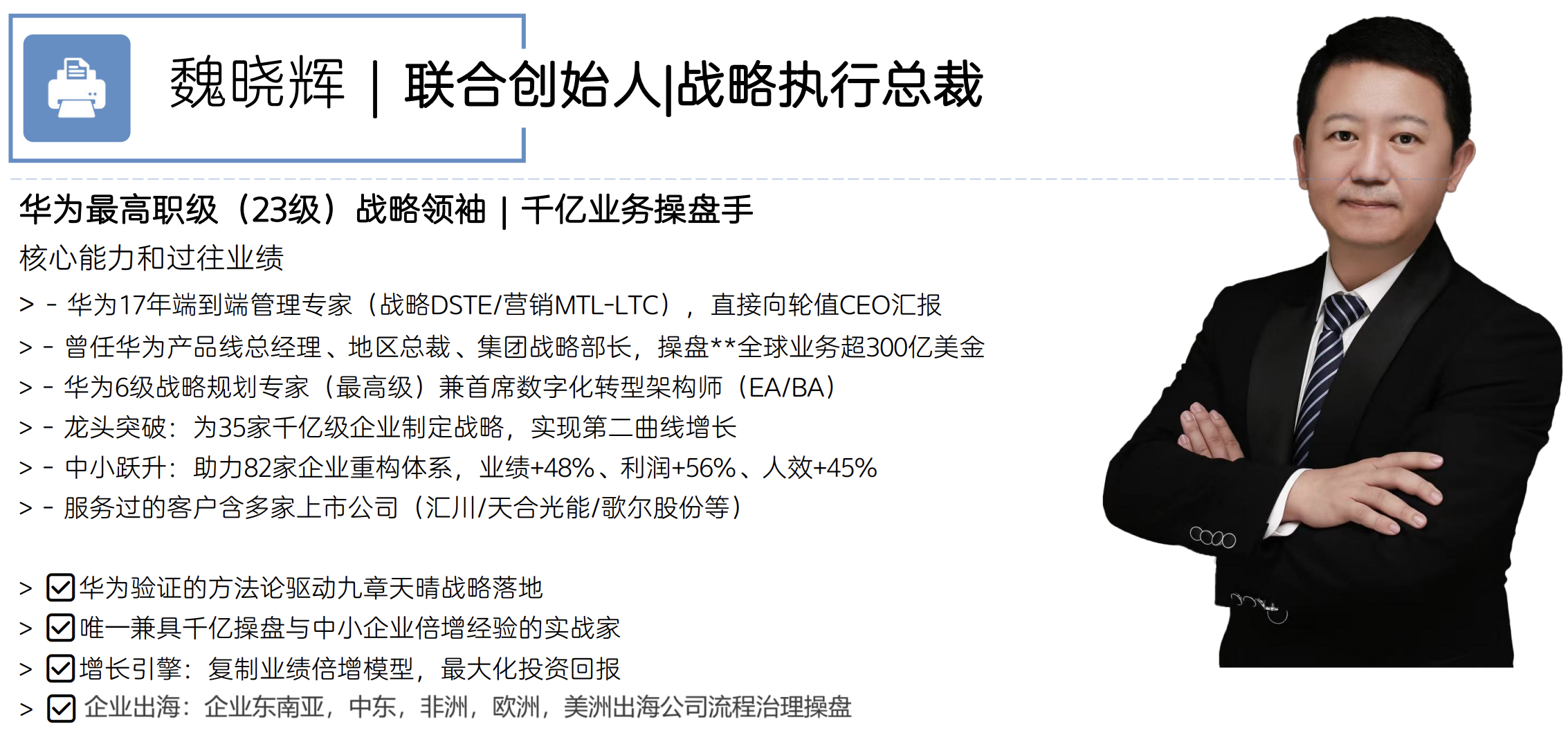
In today’s rapidly evolving business environment, organizations must continuously adapt to remain competitive. One of the most critical factors in achieving sustainable success is the development and empowerment of human capital. Huawei, a global leader in information and communications technology (ICT), has long recognized this truth and built a world-class talent development system that drives innovation, fosters leadership, and enhances team performance across its vast organization. By studying and applying key elements of Huawei’s approach, companies can elevate their own team capabilities and achieve superior operational outcomes.
At the core of Huawei’s talent development philosophy is the belief that people are the company’s most valuable asset. This principle is not merely rhetorical—it is embedded in every stage of the employee lifecycle, from recruitment to retirement. Huawei invests heavily in identifying high-potential individuals early and nurturing them through structured learning pathways, hands-on experience, and continuous feedback mechanisms. This systematic approach ensures that employees are not only technically proficient but also aligned with the company’s values, strategic goals, and culture of resilience.
One of the defining features of Huawei’s talent system is its emphasis on practical, on-the-job training. Rather than relying solely on classroom instruction or theoretical models, Huawei places employees in real-world projects where they face complex challenges under mentorship. This "learning by doing" model accelerates skill acquisition and builds confidence. For example, new engineers are often assigned to international deployment teams shortly after joining, allowing them to gain firsthand experience in diverse markets while developing cross-cultural communication skills. This immersive method cultivates problem-solving abilities and adaptability—qualities essential for high-performing teams.
Another cornerstone of Huawei’s approach is its robust mentorship and coaching framework. Every employee is paired with experienced mentors who provide guidance, career advice, and performance feedback. These relationships go beyond technical training; they help individuals understand organizational dynamics, navigate internal processes, and develop emotional intelligence. The mentorship culture at Huawei creates a supportive ecosystem where knowledge flows freely across generations and departments, fostering collaboration and reducing silos within teams.
Huawei also leverages data-driven methodologies to assess and enhance individual and team performance. Through its comprehensive HR analytics platform, the company tracks employee progress, identifies skill gaps, and tailors development programs accordingly. Performance reviews are frequent and constructive, focusing not just on results but also on growth potential and behavioral competencies. This enables managers to make informed decisions about promotions, project assignments, and leadership development opportunities, ensuring that talent is deployed where it can have the greatest impact.
Crucially, Huawei instills a strong sense of ownership and accountability among its workforce. Employees are encouraged to take initiative, challenge the status quo, and contribute ideas—even if they are junior members of the team. This bottom-up innovation model empowers individuals and strengthens collective performance. Teams are given autonomy to experiment and iterate, which leads to faster decision-making and more agile responses to market changes. Moreover, Huawei promotes a “wolf spirit”—a metaphor for teamwork, aggressiveness in pursuing goals, and relentless pursuit of excellence. While the term may sound intense, it reflects a culture where collaboration, vigilance, and perseverance are celebrated.
Leadership development is another pillar of Huawei’s talent strategy. The company operates its own Huawei University, which offers customized programs for emerging and senior leaders. These programs blend global best practices with Huawei’s unique operational insights, covering topics such as strategic thinking, change management, and digital transformation. Crucially, leadership training is not reserved for top executives; mid-level managers and high-potential staff are regularly rotated into leadership roles through temporary assignments and cross-functional projects. This rotational model broadens perspectives, breaks down departmental barriers, and prepares future leaders to manage complexity in a global context.
Perhaps one of the most impactful aspects of Huawei’s system is its focus on continuous learning. In an industry defined by rapid technological change, staying ahead requires constant upskilling. Huawei supports this through extensive e-learning platforms, certification programs, and access to global research networks. Employees are incentivized to pursue certifications and attend workshops, both internally and externally. This culture of lifelong learning keeps teams current with emerging trends and equips them to lead innovation rather than react to it.
For organizations seeking to replicate Huawei’s success, several actionable insights emerge. First, talent development must be strategic and integrated into overall business planning. Second, experiential learning should be prioritized over passive training methods. Third, mentorship and peer learning should be institutionalized to promote knowledge sharing. Fourth, performance management systems should balance outcomes with developmental goals. Finally, cultivating a culture of ownership, resilience, and continuous improvement is essential for sustaining high team performance over time.
In conclusion, Huawei’s talent development system offers a powerful blueprint for enhancing team effectiveness. By combining rigorous training, real-world experience, strong mentorship, data-informed decisions, and a culture of accountability and innovation, Huawei has created an engine for sustained organizational excellence. Companies that adopt similar principles—adapted to their own contexts—can unlock the full potential of their teams, drive better business results, and thrive in an increasingly competitive global landscape.
点击链接或者扫码注册就能赚钱,数字经济谁先注册,下线就为谁赚钱,介绍服务费
智谷AI名片 无需下载注册就送红包
抢占,卡位,抢占先机,抢开数字门店需要激活码,可以留言
想赚更多钱,想了解详情,请下载,或者留言,一对一沟通,或者参加培训
深圳市马市特吉科技有限责任公司 Copyright © 20024-2026
微信扫码添加我


