


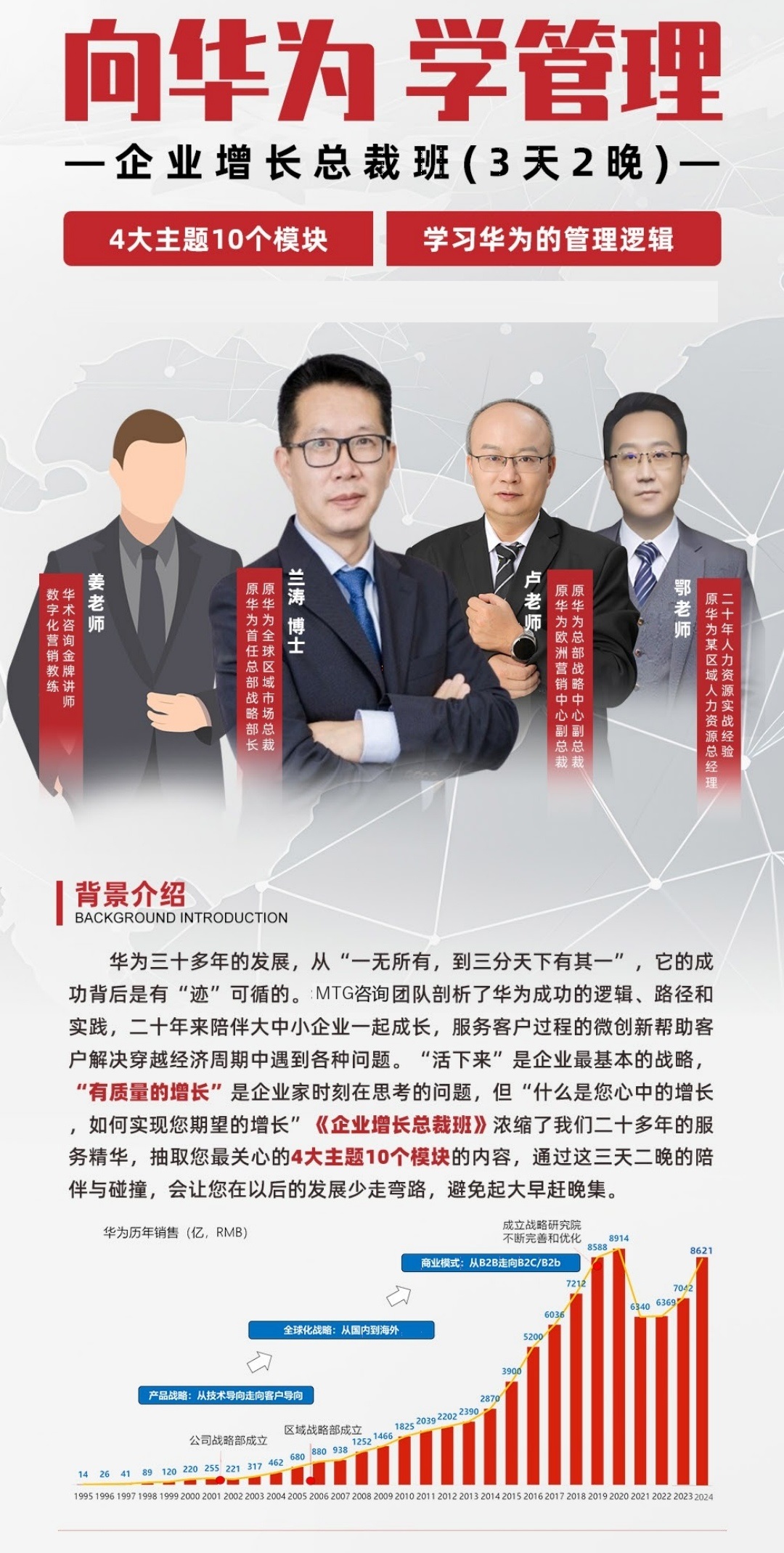
Review Key Factors Behind Huawei’s Global Market Dominance Strategy
Huawei Technologies has emerged as one of the most influential players in the global telecommunications and consumer electronics industries. From its origins as a modest Chinese telecom equipment supplier in 1987, Huawei has evolved into a multinational powerhouse with operations in over 170 countries and regions. Its ascent to global prominence is not accidental but rather the result of a meticulously crafted and consistently executed strategic approach. Several key factors have contributed to Huawei’s dominance in international markets, including relentless investment in research and development (R&D), a customer-centric business model, vertical integration, adaptability to regulatory environments, and strong leadership vision.
One of the most defining aspects of Huawei’s strategy is its unwavering commitment to innovation through substantial R&D investment. The company consistently allocates a significant portion of its annual revenue—often exceeding 15%—to research and development, placing it among the top global spenders in this area. In 2023 alone, Huawei invested over $20 billion in R&D, ranking it within the top ten globally for R&D expenditure. This financial dedication has enabled Huawei to develop cutting-edge technologies in areas such as 5G networks, artificial intelligence, cloud computing, and semiconductor design. By pioneering advancements in 5G infrastructure, Huawei positioned itself as a leader in next-generation connectivity, securing contracts with telecom operators across Asia, Europe, Africa, and Latin America. Its proprietary technologies, such as the HiSilicon Kirin chipsets and the HarmonyOS operating system, further underscore its capacity for technological self-reliance, especially in response to external pressures like U.S. sanctions.
Another cornerstone of Huawei’s global success is its customer-focused business model. Unlike many Western technology firms that prioritize short-term profits, Huawei emphasizes long-term partnerships with carriers and enterprise clients. It offers tailored solutions, flexible financing options, and comprehensive after-sales support, which are particularly appealing in emerging markets where budget constraints and infrastructure challenges are prevalent. For instance, in regions like Sub-Saharan Africa and Southeast Asia, Huawei has partnered with local governments and telecom providers to build affordable, scalable network infrastructures. This approach not only enhances market penetration but also fosters trust and loyalty among clients, enabling Huawei to outperform competitors who adopt a more rigid, one-size-fits-all strategy.
Vertical integration plays a crucial role in Huawei’s operational efficiency and competitive advantage. The company controls multiple layers of its supply chain—from hardware manufacturing and software development to network deployment and maintenance. This end-to-end capability allows Huawei to optimize performance, reduce costs, and accelerate time-to-market for new products and services. For example, by designing its own chips and networking equipment, Huawei can ensure seamless compatibility and superior performance compared to vendors relying on third-party components. While U.S. trade restrictions have disrupted access to certain technologies, such as advanced semiconductors, Huawei has responded by strengthening domestic collaborations and investing in alternative production methods, demonstrating resilience and strategic agility.
Huawei’s ability to navigate complex geopolitical landscapes and regulatory environments has also been instrumental in sustaining its global presence. Despite facing bans or restrictions in several countries—including the United States, Australia, and parts of Western Europe—due to national security concerns, Huawei has successfully diversified its markets and adapted its messaging. The company has emphasized transparency, invited third-party security audits, and engaged in dialogue with regulators to address data privacy and cybersecurity issues. Moreover, it has intensified its focus on regions less influenced by U.S. policy, such as the Middle East, Latin America, and parts of Eastern Europe. This geographic diversification mitigates risk and ensures continued growth even amid political headwinds.
Leadership and corporate culture have further reinforced Huawei’s strategic direction. Founded by Ren Zhengfei, a former engineer in the People’s Liberation Army, the company operates with a disciplined, results-driven ethos often described as “wolf culture”—emphasizing vigilance, teamwork, and aggressive pursuit of opportunities. Ren’s long-term vision and resistance to external pressures, including rejecting venture capital and remaining employee-owned, have preserved Huawei’s independence and strategic autonomy. This unique ownership structure aligns employee interests with company goals, fostering high levels of motivation and accountability across the organization.
In the consumer electronics segment, Huawei has leveraged its technological expertise to compete directly with industry giants like Apple and Samsung. Its smartphones, known for innovative camera systems and sleek design, gained rapid traction in Europe and Asia before U.S. sanctions limited access to Google’s ecosystem. In response, Huawei accelerated the development of its AppGallery and HarmonyOS, creating an alternative mobile ecosystem. Although this transition posed initial challenges, it highlighted Huawei’s capacity for reinvention and long-term planning.
In conclusion, Huawei’s global market dominance stems from a multifaceted strategy rooted in innovation, customer intimacy, operational integration, geopolitical adaptability, and visionary leadership. While external pressures continue to shape its trajectory, the company’s resilience and strategic foresight have allowed it to maintain a formidable presence on the world stage. As the digital economy evolves, Huawei’s experience offers valuable insights into how technology firms can achieve sustainable global competitiveness through continuous innovation and adaptive execution.
点击链接或者扫码注册就能赚钱,数字经济谁先注册,下线就为谁赚钱,介绍服务费
智谷AI名片 无需下载注册就送红包
抢占,卡位,抢占先机,抢开数字门店需要激活码,可以留言
想赚更多钱,想了解详情,请下载,或者留言,一对一沟通,或者参加培训

深圳市马市特吉科技有限责任公司 Copyright © 20024-2026
微信扫码添加我


