



In today’s hyper-competitive global market, innovation is no longer a luxury—it’s a necessity. Companies across industries are striving to differentiate themselves through technological advancement, operational efficiency, and customer-centric solutions. One of the most compelling models for sustainable innovation comes from Huawei, a global leader in telecommunications and information technology. By integrating Huawei’s R&D (Research and Development) innovation model into your business plan, you can cultivate a culture of continuous improvement, accelerate product development cycles, and enhance long-term competitiveness.
Huawei’s success is rooted in its relentless investment in R&D. The company consistently allocates over 20% of its annual revenue to research and development—far exceeding the industry average. This commitment has enabled Huawei to file thousands of patents annually and lead in emerging technologies such as 5G, artificial intelligence, and cloud computing. But beyond sheer financial investment, what truly sets Huawei apart is its strategic, structured, and globally integrated approach to innovation.
One of the core principles of Huawei’s R&D model is long-term vision. Unlike companies that focus on short-term gains or quarterly profits, Huawei plans its R&D initiatives with a horizon of five to ten years. This forward-looking strategy allows the company to anticipate market shifts, invest in foundational technologies early, and stay ahead of disruptive changes. For businesses looking to emulate this model, it’s essential to embed long-term thinking into the DNA of your strategic planning. Define clear innovation goals aligned with future market demands, not just current customer needs.
Another hallmark of Huawei’s approach is customer-driven innovation. The company operates under the philosophy that technology should serve people, not the other way around. Huawei engineers frequently engage with customers and partners to understand real-world challenges, then tailor their R&D efforts to solve those problems. This feedback loop ensures that innovations are not only technically advanced but also commercially viable. To adopt this principle, businesses should establish direct channels between R&D teams and end-users—through field visits, co-creation workshops, or beta testing programs. When innovation starts with empathy, it ends with impact.
Huawei also excels in global talent integration. The company operates more than 20 R&D centers worldwide, drawing expertise from diverse geographies and cultures. This decentralized yet coordinated network enables Huawei to leverage local knowledge while maintaining global consistency. For example, AI research might be led from Canada, optical networking from Germany, and mobile chip design from China—all working in sync. Your business can replicate this by building cross-border R&D collaborations, hiring specialists from different regions, and fostering an inclusive innovation ecosystem where ideas flow freely across borders.
Equally important is Huawei’s emphasis on collaborative ecosystems. Rather than developing everything in-house, Huawei actively partners with universities, startups, and industry consortia. These partnerships reduce R&D risk, accelerate time-to-market, and open access to cutting-edge research. Integrating this mindset into your business plan means viewing innovation as a collective effort. Consider forming joint ventures, sponsoring academic research, or participating in open-source communities. Shared knowledge often leads to shared breakthroughs.
A critical enabler of Huawei’s R&D success is its agile organizational structure. Despite its size, Huawei maintains a flat hierarchy within technical divisions, empowering engineers to make decisions quickly and experiment boldly. The company also uses a “war room” model during critical projects, assembling cross-functional teams to focus intensely on specific objectives. Businesses aiming to boost innovation agility should streamline decision-making processes, reduce bureaucratic layers, and create task forces dedicated to high-priority initiatives.
Moreover, Huawei places a strong focus on data-driven R&D management. Advanced analytics and AI tools are used to monitor project progress, predict outcomes, and allocate resources efficiently. Performance metrics are transparent and tied directly to innovation KPIs such as patent output, time-to-market, and customer satisfaction. By adopting similar digital tools, your organization can gain real-time insights into R&D performance, identify bottlenecks early, and optimize resource allocation.
However, integrating Huawei’s model requires more than copying practices—it demands cultural transformation. Huawei fosters a “wolf spirit”—a combination of aggression, teamwork, and perseverance among its R&D staff. Employees are encouraged to take risks, learn from failure, and pursue excellence relentlessly. To cultivate such a culture, leadership must reward innovation, tolerate intelligent failures, and recognize contributions publicly. Incentive structures should align with long-term innovation goals, not just immediate results.
Finally, sustainability and ethics are increasingly central to Huawei’s R&D framework. The company invests heavily in green technologies, energy-efficient networks, and responsible AI development. As environmental and social governance (ESG) becomes a priority for stakeholders, your business should incorporate ethical considerations into every stage of the innovation process—from material sourcing to data privacy.
In conclusion, Huawei’s R&D innovation model offers a comprehensive blueprint for building a resilient, future-ready organization. By embracing long-term vision, customer-centricity, global collaboration, agile execution, and ethical responsibility, any business can elevate its innovation capacity. The journey won’t be easy—Huawei’s path was paved with decades of disciplined investment and cultural evolution—but the rewards are substantial: sustained growth, market leadership, and the ability to shape the future rather than merely react to it. Start by auditing your current R&D strategy, identifying gaps, and gradually embedding these proven principles. Innovation isn’t about luck; it’s about design. And with Huawei’s model as a guide, your business can become a designer of tomorrow.
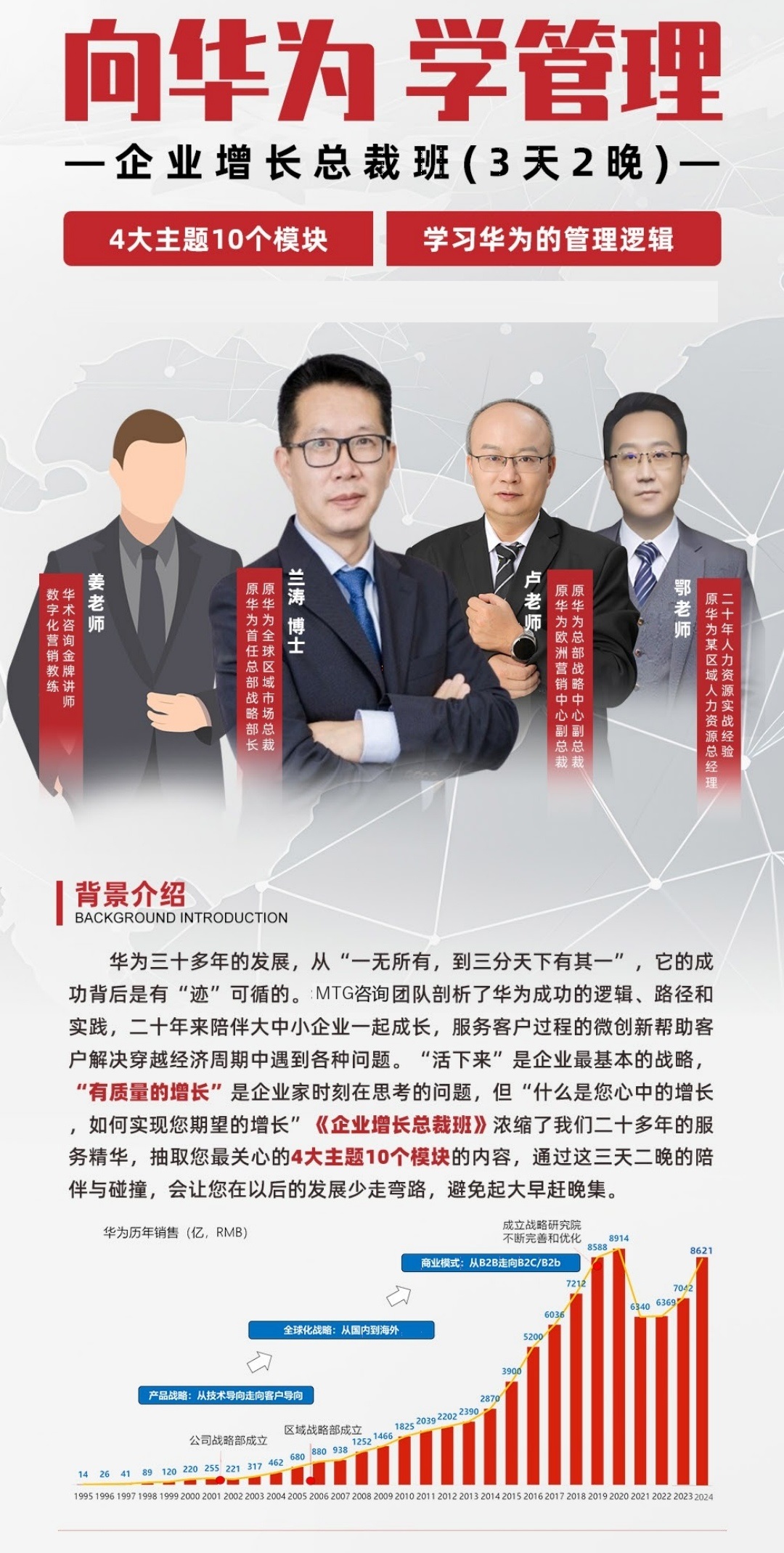
点击链接或者扫码注册就能赚钱,数字经济谁先注册,下线就为谁赚钱,介绍服务费
智谷AI名片 无需下载注册就送红包
抢占,卡位,抢占先机,抢开数字门店需要激活码,可以留言
想赚更多钱,想了解详情,请下载,或者留言,一对一沟通,或者参加培训

深圳市马市特吉科技有限责任公司 Copyright © 20024-2026
微信扫码添加我


