


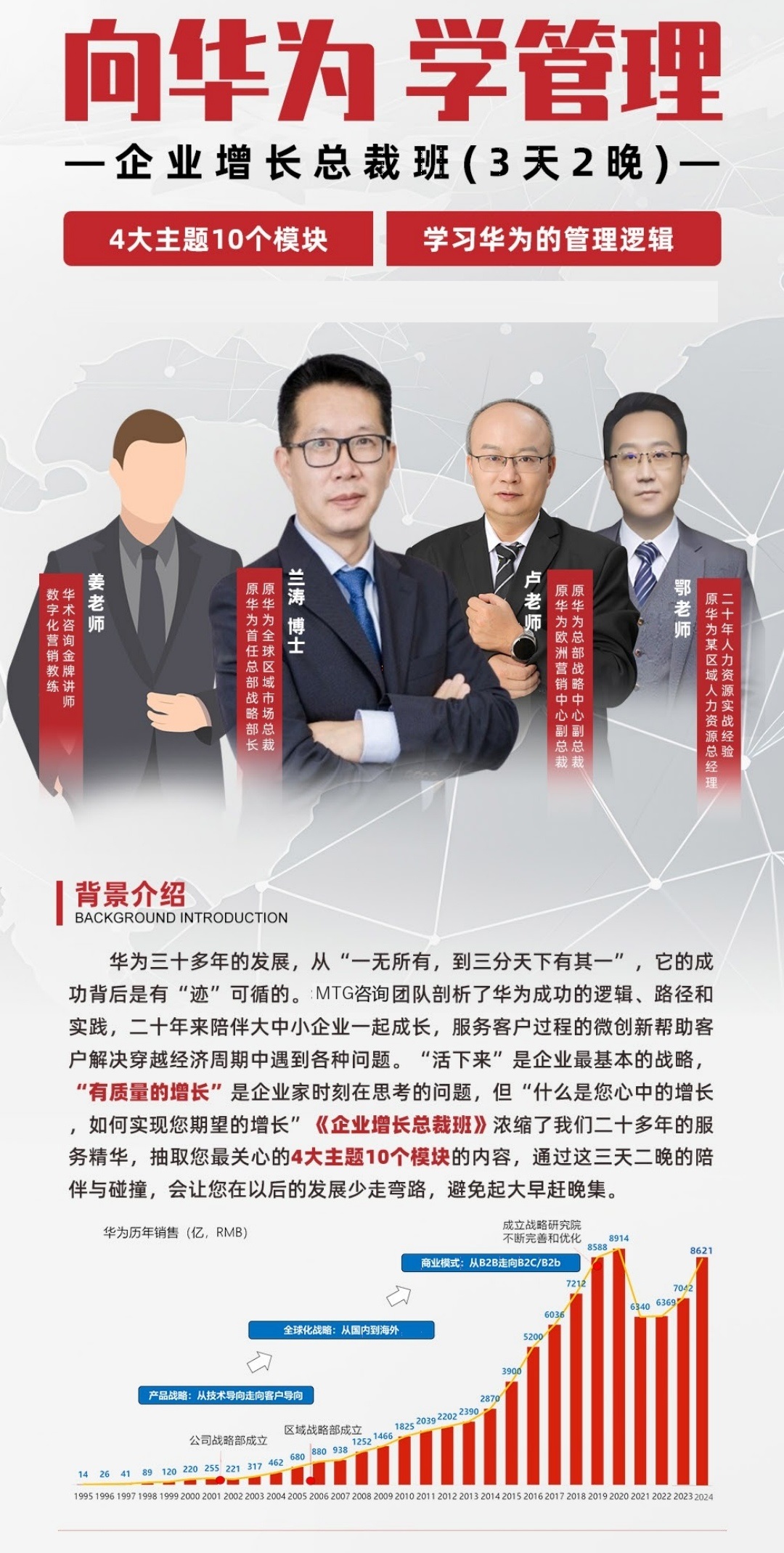
In today’s hyper-competitive global market, quality control is no longer just a function within operations—it has become a strategic imperative. Organizations across industries are under increasing pressure to deliver reliable, high-performance products that meet or exceed customer expectations. Among the companies setting new benchmarks in this domain is Huawei, a global leader in telecommunications and consumer electronics. Huawei’s rigorous quality control protocols have played a pivotal role in its rise as a trusted brand worldwide. By examining and adapting Huawei’s approach, other organizations can significantly enhance their own quality assurance frameworks.
Huawei’s philosophy toward quality is rooted in a simple yet powerful principle: quality is not inspected into a product; it is designed into it. This mindset permeates every stage of the product lifecycle—from initial concept and R&D to manufacturing, logistics, and after-sales service. Unlike traditional models where quality checks occur primarily at the end of production, Huawei embeds quality assurance throughout the entire process. This proactive, integrated strategy reduces defects, improves efficiency, and fosters long-term customer trust.
One of the cornerstones of Huawei’s quality control system is its investment in research and development with built-in validation mechanisms. The company operates numerous laboratories and testing centers globally, equipped with state-of-the-art facilities capable of simulating extreme environmental conditions such as high humidity, sub-zero temperatures, electromagnetic interference, and mechanical stress. Products undergo thousands of hours of reliability testing before they reach the market. For example, smartphones are tested for drop resistance, water immersion, button durability, and thermal performance under real-world usage scenarios. This exhaustive pre-market evaluation ensures that only robust, dependable devices make it to consumers.
Another critical aspect of Huawei’s protocol is standardization and traceability. Every component used in Huawei products—whether sourced internally or from external suppliers—is tracked through a centralized digital system. This enables full traceability from raw material to finished product. In the event of a defect, engineers can quickly identify the root cause, isolate affected batches, and implement corrective actions without disrupting the broader supply chain. Such granular visibility supports rapid response and continuous improvement, minimizing both financial loss and reputational risk.
Supplier management also plays a vital role in Huawei’s quality ecosystem. The company maintains strict qualification criteria for its vendors, requiring them to adhere to international standards such as ISO 9001 and IATF 16949. Regular audits, performance evaluations, and joint improvement programs ensure that suppliers remain aligned with Huawei’s quality objectives. Moreover, Huawei fosters collaborative relationships rather than transactional ones, encouraging knowledge sharing and co-innovation. This partnership-based model elevates overall supply chain resilience and consistency.
Automation and data analytics further strengthen Huawei’s quality control infrastructure. On the factory floor, intelligent systems powered by AI and machine learning monitor production parameters in real time. Sensors detect anomalies in assembly processes—such as misaligned components or soldering defects—and trigger immediate alerts or automatic corrections. Predictive maintenance algorithms analyze equipment performance data to prevent breakdowns that could compromise product integrity. These technologies not only improve precision but also reduce human error and variability, leading to higher yield rates and lower rework costs.
Beyond hardware, Huawei places strong emphasis on software quality and cybersecurity. Given the increasing integration of smart features in modern devices, firmware and operating systems must be rigorously validated for stability, compatibility, and security. Huawei employs automated testing platforms that run millions of test cases daily across different device configurations. Security vulnerabilities are identified using static code analysis, penetration testing, and threat modeling. The company also participates in global bug bounty programs, inviting ethical hackers to uncover potential weaknesses—an approach that reflects transparency and commitment to continuous improvement.
A less visible but equally important element of Huawei’s success is its corporate culture of quality ownership. Employees at all levels are trained to view quality as a shared responsibility rather than a siloed function. Frontline workers are empowered to stop production lines if they observe deviations, and cross-functional teams regularly review quality metrics and customer feedback to drive systemic enhancements. Leadership sets the tone by prioritizing long-term excellence over short-term gains, reinforcing the idea that sustainable growth depends on unwavering commitment to quality.
For organizations seeking to emulate Huawei’s achievements, several actionable steps emerge. First, integrate quality planning early in the design phase, ensuring that reliability and usability are foundational considerations. Second, invest in advanced testing infrastructure and digital traceability systems to enable proactive monitoring and rapid response. Third, strengthen supplier partnerships through stringent oversight and collaborative development initiatives. Fourth, leverage automation and artificial intelligence to enhance consistency and reduce variability in manufacturing. Finally, cultivate a culture where every employee feels accountable for delivering excellence.
While Huawei operates in a highly specialized industry, the principles underlying its quality control model are universally applicable. Whether in automotive manufacturing, healthcare technology, or consumer goods, the pursuit of zero-defect outcomes requires a holistic, data-driven, and culturally embedded approach. By adopting best practices inspired by Huawei’s protocols, companies can transform quality from a cost center into a competitive advantage—driving innovation, enhancing customer satisfaction, and building enduring brand value in an increasingly demanding marketplace.
点击链接或者扫码注册就能赚钱,数字经济谁先注册,下线就为谁赚钱,介绍服务费
智谷AI名片 无需下载注册就送红包
抢占,卡位,抢占先机,抢开数字门店需要激活码,可以留言
想赚更多钱,想了解详情,请下载,或者留言,一对一沟通,或者参加培训

深圳市马市特吉科技有限责任公司 Copyright © 20024-2026
微信扫码添加我


