


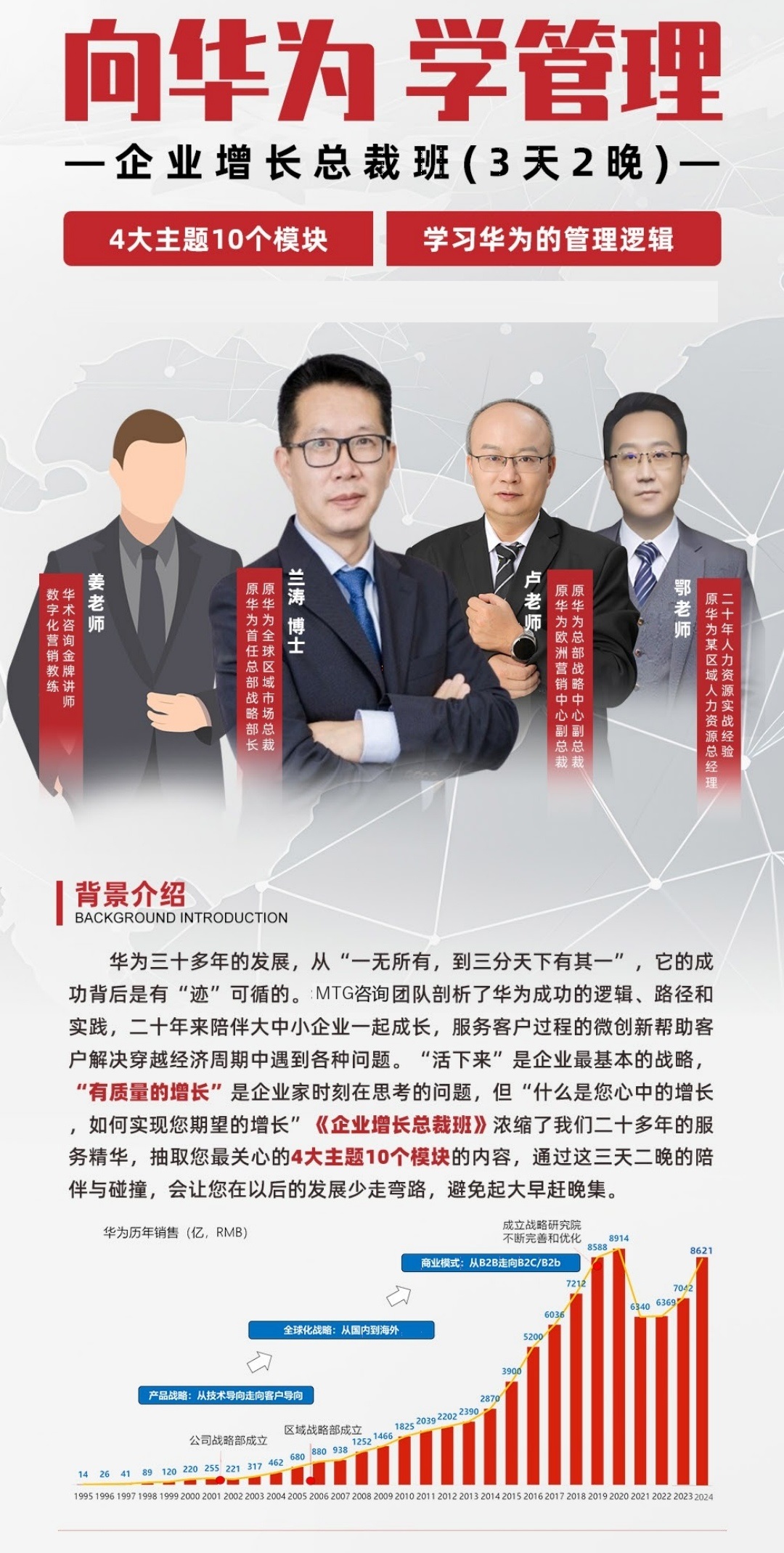
In today’s hyper-competitive global business environment, cultivating a high-performance culture is no longer optional—it is essential for sustained success. Among the world’s most admired organizations, Huawei stands out as a prime example of how strategic human resource (HR) policies can drive exceptional performance, innovation, and resilience. By examining Huawei’s HR framework, companies can extract valuable insights into building a culture where excellence is not only encouraged but systematically embedded into every level of operation.
At the heart of Huawei’s high-performance culture lies its philosophy of meritocracy. The company operates on the principle that talent and effort should be the primary determinants of career advancement and rewards. Unlike traditional hierarchical models that prioritize tenure or seniority, Huawei emphasizes performance-based promotions. Employees are evaluated regularly through rigorous performance reviews, with top performers fast-tracked for leadership roles and critical projects. This creates a powerful incentive for individuals to strive for excellence, knowing that their contributions will be recognized and rewarded fairly.
One of the most distinctive aspects of Huawei’s HR policy is its "wolf culture." This metaphor reflects the company’s emphasis on vigilance, teamwork, and aggressive pursuit of goals. Wolves hunt in packs, rely on strategy, and adapt quickly—qualities Huawei seeks to instill in its workforce. While the term may sound aggressive, it encapsulates a mindset of collaboration, resilience, and relentless focus on results. Employees are encouraged to take initiative, challenge the status quo, and act with urgency. This cultural narrative fosters a sense of ownership and accountability, transforming employees from passive executors into proactive problem-solvers.
Huawei also places immense importance on continuous learning and development. The company invests heavily in employee training through its Huawei University, which offers tailored programs across technical, managerial, and leadership domains. These programs are not merely theoretical; they are closely aligned with real-world business challenges. Employees are expected to apply what they learn immediately, ensuring that development translates into tangible performance improvements. Moreover, Huawei promotes internal mobility, allowing employees to rotate across departments and geographies. This broadens their skill sets, enhances cross-functional understanding, and builds organizational agility.
Another cornerstone of Huawei’s HR approach is its unique compensation model. The company combines competitive base salaries with substantial performance-based bonuses and stock options. Notably, Huawei operates a virtual shareholding system that allows long-serving employees to purchase shares and receive dividends. This aligns individual interests with the company’s long-term success, creating a strong sense of shared purpose. When employees feel like stakeholders—not just workers—they are more likely to go the extra mile, innovate, and remain committed during tough times.
Performance management at Huawei is both data-driven and highly transparent. The company uses a comprehensive appraisal system that measures not only quantitative outcomes (such as sales targets or project delivery) but also qualitative factors like collaboration, innovation, and adherence to core values. Managers are trained to provide timely, constructive feedback, and employees are encouraged to engage in self-assessment and peer reviews. This 360-degree evaluation process ensures fairness and helps identify areas for growth. Importantly, underperformers are not simply penalized; they are given support and opportunities to improve, reflecting Huawei’s belief in potential and development.
Leadership development is another critical component of Huawei’s HR strategy. The company identifies high-potential employees early and subjects them to accelerated development programs. These include stretch assignments, mentorship from senior executives, and exposure to international markets. Huawei’s leaders are expected to embody the company’s values—customer-centricity, humility, and perseverance—and to lead by example. This leadership pipeline ensures continuity and reinforces the cultural norms that drive performance.
Despite its successes, Huawei’s HR model is not without challenges. The intense work ethic and high expectations can lead to burnout if not managed carefully. The company has responded by promoting work-life balance initiatives and mental health support, recognizing that sustainable performance requires well-being. Additionally, as Huawei expands globally, it must adapt its culturally rooted practices to diverse workforces, balancing consistency with local relevance.
For other organizations seeking to emulate Huawei’s success, several key lessons emerge. First, performance must be measurable, visible, and tied directly to rewards. Second, culture cannot be an afterthought—it must be actively shaped through consistent policies and leadership behavior. Third, investment in people yields long-term returns, particularly when combined with clear pathways for growth. Finally, trust and ownership are powerful motivators; when employees feel valued and included in the company’s journey, they are more likely to deliver exceptional results.
In conclusion, Huawei’s HR policies offer a compelling blueprint for developing a high-performance culture. By combining meritocratic principles, continuous development, aligned incentives, and strong leadership, the company has created an environment where excellence is not just expected—it is institutionalized. While context matters, the underlying principles are universally applicable. Organizations that adopt a similarly disciplined and people-centered approach can unlock the full potential of their workforce and achieve enduring competitive advantage.
点击链接或者扫码注册就能赚钱,数字经济谁先注册,下线就为谁赚钱,介绍服务费
智谷AI名片 无需下载注册就送红包
抢占,卡位,抢占先机,抢开数字门店需要激活码,可以留言
想赚更多钱,想了解详情,请下载,或者留言,一对一沟通,或者参加培训

深圳市马市特吉科技有限责任公司 Copyright © 20024-2026
微信扫码添加我


