


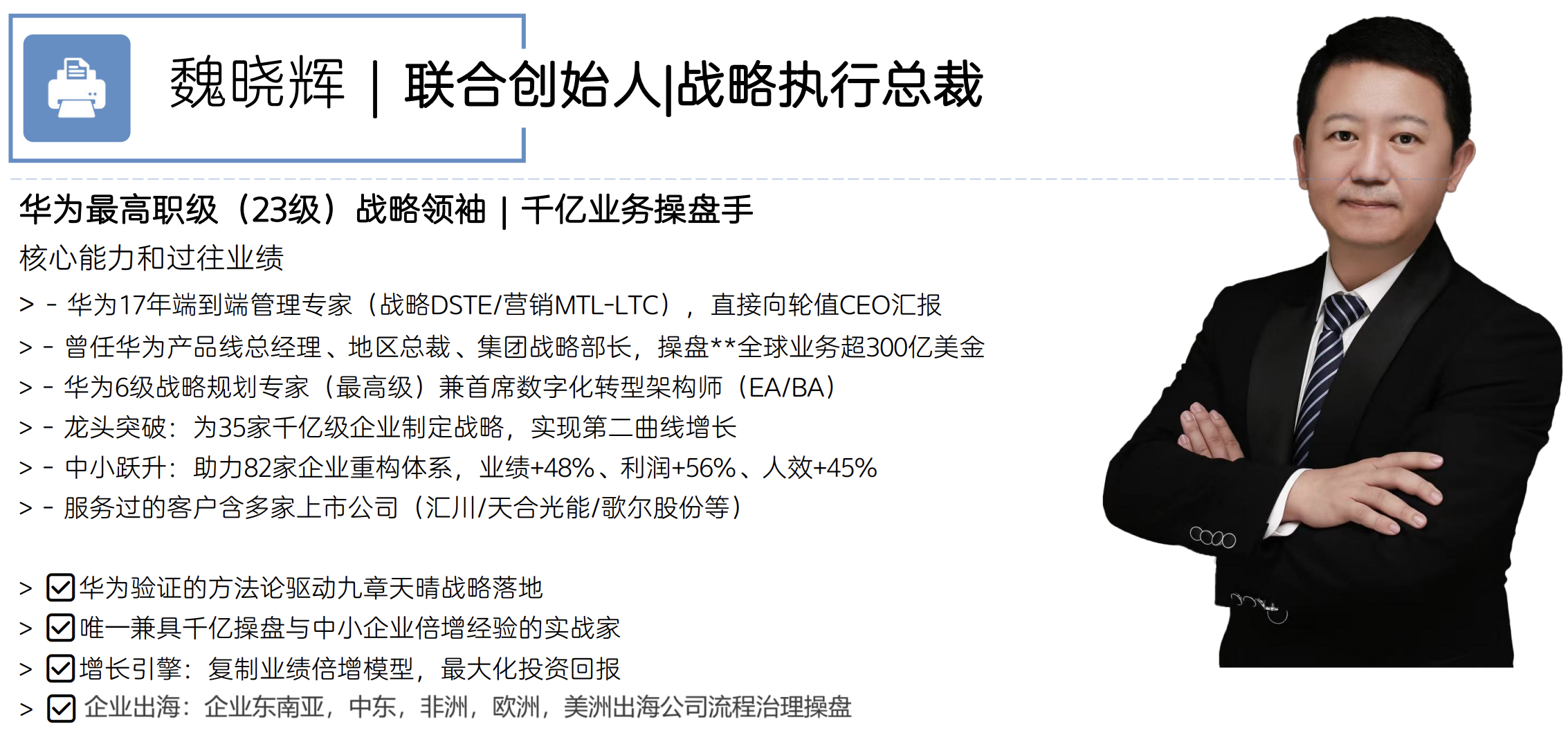
In today’s fast-paced digital economy, the speed and efficiency of service delivery have become critical differentiators for businesses across industries. Customers expect rapid responses, minimal downtime, and seamless support experiences—especially when dealing with complex technology solutions. One organization that has set a global benchmark in this domain is Huawei, whose customer support model exemplifies how strategic integration of technology, process optimization, and human expertise can dramatically improve service delivery speed.
At the core of Huawei’s approach is a comprehensive, multi-layered support framework designed to anticipate, detect, and resolve issues before they impact customers. Unlike traditional reactive support models, Huawei emphasizes proactive monitoring and predictive maintenance through advanced analytics and artificial intelligence (AI). By deploying intelligent network management systems across its vast infrastructure portfolio, Huawei continuously collects real-time data from customer environments. This data is analyzed using machine learning algorithms to identify patterns, predict potential failures, and trigger automated alerts or corrective actions. As a result, many issues are resolved before customers even notice them, significantly reducing resolution times and improving overall service availability.
Another key element contributing to faster service delivery is Huawei’s globalized yet localized support structure. The company operates a network of regional support centers strategically located around the world, ensuring 24/7 coverage and low-latency communication. These centers are staffed with multilingual engineers who possess deep technical knowledge and are trained to handle region-specific regulatory, linguistic, and operational nuances. When a customer reports an issue, intelligent routing systems direct the case to the most appropriate support team based on product type, geography, and urgency level. This reduces handoffs and ensures that queries are handled by experts from the outset, minimizing delays caused by miscommunication or lack of context.
Huawei also leverages digital self-service platforms to empower customers and reduce dependency on human intervention for routine inquiries. Its online support portal offers a rich repository of documentation, troubleshooting guides, software updates, and diagnostic tools. Customers can access these resources at any time to resolve common issues independently. Additionally, the portal integrates AI-powered chatbots capable of understanding natural language queries and providing instant answers or escalating complex cases to live agents. This hybrid model not only improves response speed but also frees up human support teams to focus on high-value, technically challenging problems.
Integration between front-end customer interfaces and back-end engineering teams further accelerates problem resolution. In many organizations, silos between customer support and R&D slow down the feedback loop. Huawei addresses this by embedding cross-functional collaboration into its support lifecycle. Customer-reported issues are logged into a centralized system that automatically shares relevant data with product development and quality assurance teams. If a recurring defect is identified, firmware or software patches can be developed and deployed rapidly. This closed-loop system ensures continuous improvement and enables Huawei to deliver fixes faster than competitors relying on fragmented workflows.
Training and knowledge management play a pivotal role in maintaining high service velocity. Huawei invests heavily in upskilling its support personnel through regular technical certifications, simulation-based training, and scenario drills. Engineers are equipped with mobile applications that provide instant access to updated knowledge bases, diagnostic procedures, and peer-reviewed solutions. This ensures consistency and accuracy in troubleshooting while reducing mean time to repair (MTTR). Furthermore, post-resolution reviews are conducted to capture lessons learned and update internal databases, creating a culture of continuous learning and refinement.
The use of augmented reality (AR) and remote assistance tools has also transformed field service operations. For hardware-related issues, Huawei enables on-site technicians to connect with remote experts via AR-enabled smart glasses or tablets. These experts can view the technician’s environment in real time, annotate visuals, and guide repairs step-by-step. This capability eliminates the need for multiple site visits and allows senior engineers to support numerous locations simultaneously, drastically cutting downtime and travel-related delays.
Scalability is another strength of Huawei’s model. During peak demand periods—such as large-scale network rollouts or disaster recovery scenarios—the company can dynamically allocate resources across regions. Cloud-based support platforms allow temporary scaling of computing power and bandwidth to handle surges in ticket volume without performance degradation. This elasticity ensures consistent service levels even under stress, which is crucial for enterprise and telecom clients where uptime directly affects revenue and reputation.
Finally, Huawei places strong emphasis on customer feedback and performance metrics. Key indicators such as first contact resolution rate, average handling time, and customer satisfaction (CSAT) scores are monitored in real time. Dashboards provide visibility into support performance at both macro and micro levels, enabling managers to identify bottlenecks and implement corrective measures promptly. Regular customer surveys and account reviews help align support strategies with evolving expectations, fostering long-term trust and loyalty.
In conclusion, Huawei’s customer support model demonstrates that improving service delivery speed is not solely about faster responses—it’s about reimagining the entire support ecosystem. Through proactive monitoring, intelligent automation, global-local coordination, integrated workflows, and continuous innovation, Huawei has created a responsive, resilient, and scalable support infrastructure. Other organizations seeking to enhance their service agility can draw valuable insights from this model, particularly in leveraging technology not just to react faster, but to prevent issues altogether. In an era where every second counts, Huawei’s approach sets a new standard for what exceptional customer support can achieve.
点击链接或者扫码注册就能赚钱,数字经济谁先注册,下线就为谁赚钱,介绍服务费
智谷AI名片 无需下载注册就送红包
抢占,卡位,抢占先机,抢开数字门店需要激活码,可以留言
想赚更多钱,想了解详情,请下载,或者留言,一对一沟通,或者参加培训

深圳市马市特吉科技有限责任公司 Copyright © 20024-2026
微信扫码添加我


