


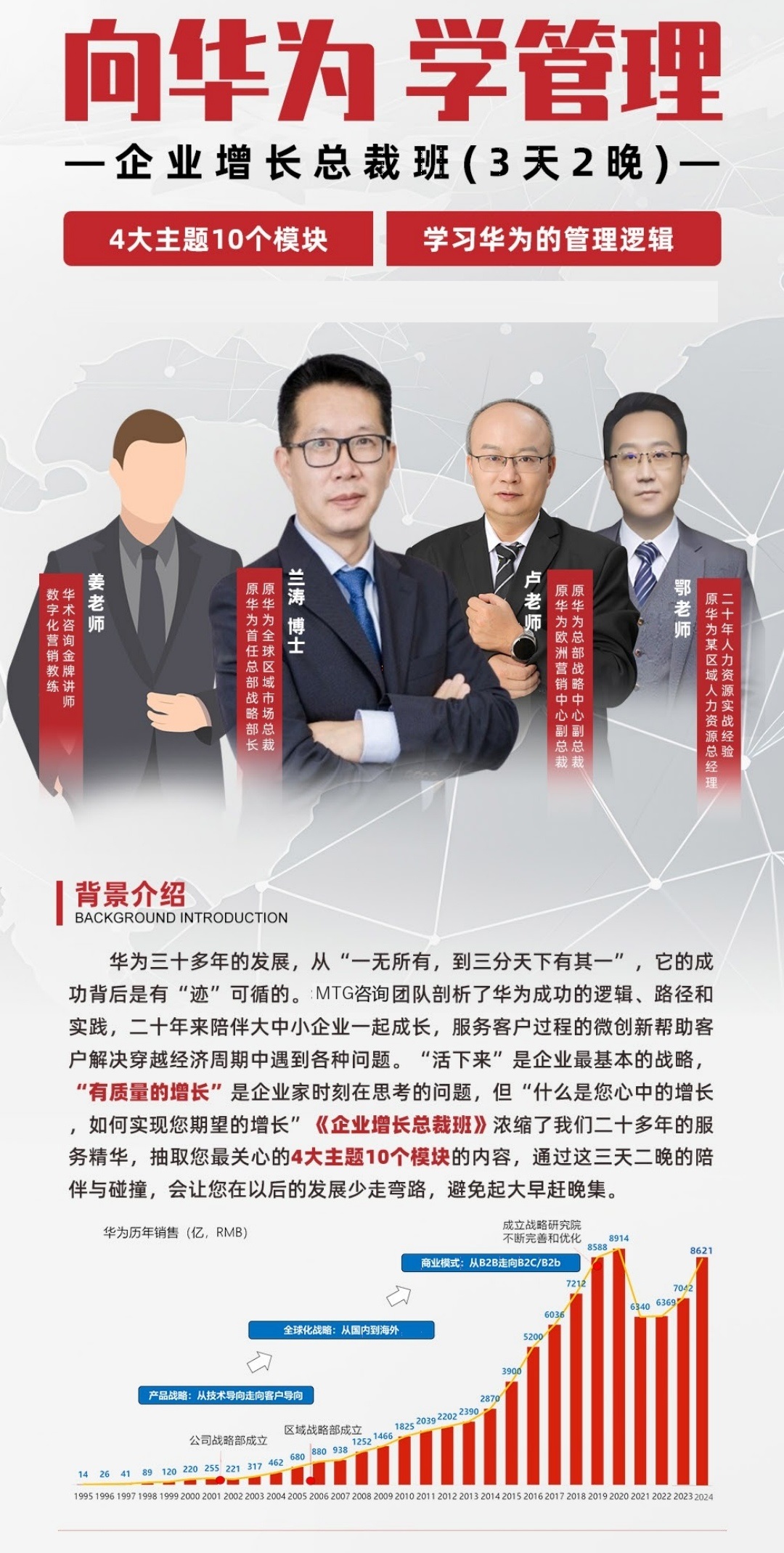
In today’s rapidly evolving global business landscape, organizations across industries face relentless pressure to innovate, scale efficiently, and adapt to unforeseen disruptions. Whether navigating technological shifts, supply chain volatility, or competitive market dynamics, sustainable growth demands more than just strategic vision—it requires a disciplined approach to problem-solving. Huawei, one of the world’s leading technology companies, has developed a robust and battle-tested framework for addressing complex challenges that hinder organizational growth. By integrating this structured methodology into their operations, businesses can not only survive adversity but also turn obstacles into opportunities for transformation.
At the heart of Huawei’s success lies its systematic problem-solving philosophy, which emphasizes clarity, ownership, collaboration, and continuous improvement. This framework is not limited to engineering or R&D teams; it is applied across departments—from marketing and sales to human resources and supply chain management—ensuring alignment and agility throughout the organization. The model consists of five key stages: Define, Diagnose, Design, Deploy, and Evaluate (commonly referred to as the 5D framework). Each stage plays a critical role in transforming ambiguity into actionable solutions.
Define: Clarifying the Real Problem
The first step in overcoming growth challenges is to clearly define what the actual problem is. Too often, organizations rush to solve surface-level symptoms without understanding root causes. Huawei places strong emphasis on precise problem definition, using tools such as SMART criteria (Specific, Measurable, Achievable, Relevant, Time-bound) to ensure that issues are framed correctly. For example, instead of vaguely stating “sales are declining,” a well-defined problem might be “Q3 revenue in the European enterprise segment dropped 18% year-on-year due to delayed product launches and weak channel partner engagement.” This specificity allows teams to focus efforts where they matter most.
Defining the problem also involves identifying stakeholders, setting objectives, and establishing success metrics. At Huawei, cross-functional workshops are often held at this stage to gather diverse perspectives, ensuring that no critical dimension is overlooked. This collaborative input fosters shared ownership and reduces resistance during later implementation phases.
Diagnose: Uncovering Root Causes
Once the problem is defined, the next step is diagnosis—digging beneath the surface to uncover underlying causes. Huawei employs analytical tools like the “5 Whys,” fishbone diagrams (Ishikawa), and data-driven root cause analysis to move beyond assumptions. In one notable case, when Huawei faced delays in smartphone shipments, initial analysis pointed to logistics bottlenecks. However, through repeated questioning and process mapping, the team discovered that the real issue was inconsistent quality control at a third-party manufacturing site.
This stage relies heavily on empirical evidence and cross-departmental data sharing. Huawei encourages a culture of transparency where failures are not blamed but studied. By fostering psychological safety, employees feel empowered to share insights without fear of retribution, accelerating the diagnostic process and improving accuracy.
Design: Creating Targeted Solutions
With root causes identified, the focus shifts to designing effective, scalable solutions. Huawei promotes innovation within constraints, advocating for practicality over perfection. Solutions are evaluated based on feasibility, impact, cost, and alignment with long-term strategy. Multi-disciplinary teams brainstorm options, prototype interventions, and conduct risk assessments before finalizing recommendations.
For instance, to address talent retention challenges in high-pressure environments, Huawei designed a leadership development program combined with flexible work policies and performance-based incentives. Rather than adopting a one-size-fits-all approach, regional variations were considered, allowing localized adaptations while maintaining core principles.
Crucially, Huawei ensures that every solution includes clear action plans, accountability assignments, and timelines. This level of detail prevents ambiguity and sets the foundation for successful execution.
Deploy: Executing with Precision
Even the best-designed solutions fail without effective deployment. Huawei treats implementation as a project in itself, applying rigorous project management practices. Key elements include change management, communication planning, resource allocation, and milestone tracking. Leaders are expected to lead by example, actively participating in rollout activities and providing ongoing support.
To enhance adoption, Huawei leverages internal champions—employees who advocate for the change and help others adapt. Training programs, feedback loops, and real-time monitoring systems are deployed to ensure smooth transitions. In large-scale IT system upgrades, for example, phased rollouts and pilot testing minimized operational disruption while enabling rapid course correction.
Huawei also emphasizes speed and decisiveness. While thorough planning is essential, the company discourages analysis paralysis. As Ren Zhengfei, Huawei’s founder, often says, “Perfect is the enemy of good.” The goal is not flawless execution from day one but continuous progress through iterative refinement.
Evaluate: Learning and Scaling Success
The final stage—evaluation—is where many organizations fall short. Huawei institutionalizes post-implementation reviews to assess outcomes against predefined KPIs. Did the solution resolve the original problem? What unintended consequences emerged? How can results be replicated elsewhere?
Data analytics play a central role here. Performance dashboards, customer feedback, and employee surveys provide quantitative and qualitative insights. Lessons learned are documented and shared across the organization, contributing to a collective knowledge base that informs future initiatives.
Importantly, evaluation is not a one-time event but an ongoing process. Huawei embraces the concept of “continuous optimization,” where improvements are made incrementally based on real-world performance. This mindset transforms problem-solving from a reactive exercise into a proactive engine for innovation and growth.
Conclusion
Huawei’s problem-solving framework offers a powerful blueprint for organizations striving to overcome growth challenges in uncertain times. By systematically defining problems, diagnosing root causes, designing targeted solutions, deploying with discipline, and evaluating for learning, companies can build resilience and drive sustainable progress. More than just a methodology, it reflects a cultural commitment to excellence, accountability, and lifelong improvement. In an era defined by complexity and change, adopting such a framework may well be the difference between stagnation and success.

点击链接或者扫码注册就能赚钱,数字经济谁先注册,下线就为谁赚钱,介绍服务费
智谷AI名片 无需下载注册就送红包
抢占,卡位,抢占先机,抢开数字门店需要激活码,可以留言
想赚更多钱,想了解详情,请下载,或者留言,一对一沟通,或者参加培训

深圳市马市特吉科技有限责任公司 Copyright © 20024-2026
微信扫码添加我


