



In today's hyper-connected and rapidly evolving digital landscape, organizations are increasingly relying on data to inform strategic decisions, optimize operations, and drive innovation. Among global technology leaders, Huawei stands out not only for its cutting-edge telecommunications infrastructure but also for its sophisticated use of analytics to enhance decision-making processes across its ecosystem. By leveraging advanced data analytics, artificial intelligence (AI), and cloud technologies, Huawei has developed a robust framework that enables data-driven insights to permeate every level of its business operations—from product development and supply chain management to customer experience and market expansion.
At the core of Huawei’s analytics strategy is the integration of massive volumes of structured and unstructured data from diverse sources, including IoT devices, network equipment, enterprise systems, and customer interactions. This data is processed through Huawei’s proprietary big data platforms such as FusionInsight and CloudOpera, which provide scalable, secure, and real-time analytical capabilities. These platforms support distributed computing, machine learning models, and predictive analytics, allowing Huawei to extract meaningful patterns and anticipate future trends with high accuracy.
One of the key areas where Huawei applies analytics is in network performance optimization. As a provider of 5G infrastructure and telecom solutions, Huawei collects vast amounts of network telemetry data from base stations, routers, and user devices. By analyzing this data in real time, Huawei can identify potential bottlenecks, predict equipment failures, and dynamically allocate bandwidth to ensure optimal service quality. For example, using AI-powered anomaly detection algorithms, Huawei can detect unusual traffic patterns that may indicate cyber threats or hardware malfunctions, enabling proactive maintenance and minimizing downtime. This predictive capability not only improves operational efficiency but also enhances customer satisfaction by ensuring reliable connectivity.
Beyond network operations, Huawei leverages analytics to refine its product development lifecycle. Through continuous feedback loops derived from user behavior data, device usage patterns, and software performance metrics, Huawei can identify feature preferences, usability issues, and emerging customer needs. This insight informs R&D priorities and allows for agile iteration of products such as smartphones, wearables, and smart home devices. For instance, by analyzing how users interact with their mobile devices—such as app usage frequency, screen-on time, and battery consumption—Huawei engineers can optimize power management systems and tailor user interfaces to improve overall experience.
Supply chain resilience is another critical domain where Huawei employs data-driven decision making. Given the complexity of its global supply network, involving thousands of suppliers and logistics partners, Huawei uses analytics to monitor inventory levels, forecast demand, and assess supplier risk. Advanced forecasting models powered by historical sales data, market trends, and external factors like geopolitical events or natural disasters enable Huawei to maintain lean inventories while avoiding stockouts. Moreover, blockchain-integrated traceability systems combined with real-time monitoring allow Huawei to ensure transparency and compliance across its supply chain, reducing vulnerabilities and enhancing sustainability.
Customer-centricity is deeply embedded in Huawei’s analytics philosophy. The company utilizes customer relationship management (CRM) systems enhanced with AI and sentiment analysis tools to understand user feedback from social media, customer service interactions, and online reviews. Natural language processing (NLP) techniques help categorize and prioritize customer concerns, enabling faster response times and more personalized support. Additionally, segmentation models based on demographic, behavioral, and transactional data allow Huawei to deliver targeted marketing campaigns and customized product recommendations, thereby increasing customer engagement and loyalty.
Huawei also extends its analytics capabilities to empower its enterprise clients through its Huawei Cloud offerings. The company provides a suite of data analytics services—including data lakes, stream processing, and AI model deployment tools—that enable businesses to build their own data-driven ecosystems. These cloud-based solutions are designed to be interoperable, secure, and compliant with international standards, making them suitable for industries ranging from finance and healthcare to manufacturing and retail. By democratizing access to powerful analytics tools, Huawei fosters a broader culture of evidence-based decision making beyond its own organization.
Crucially, Huawei places strong emphasis on data governance, privacy protection, and ethical AI practices. All analytics initiatives are aligned with strict regulatory requirements such as GDPR and China’s Personal Information Protection Law (PIPL). Data anonymization, encryption, and role-based access controls are standard across systems to safeguard sensitive information. Furthermore, Huawei invests in explainable AI research to ensure that algorithmic decisions are transparent and auditable, reinforcing trust among stakeholders.
In conclusion, Huawei’s approach to analytics exemplifies how modern enterprises can harness data as a strategic asset. By embedding data-driven methodologies into core functions—from engineering and logistics to marketing and customer service—Huawei achieves greater agility, innovation, and competitiveness. Its integrated analytics ecosystem, supported by robust technological infrastructure and a commitment to responsible data use, serves as a model for organizations seeking to transform raw data into actionable intelligence. As digital transformation accelerates worldwide, the ability to make timely, informed decisions based on reliable data will remain a defining factor for success—and Huawei continues to lead by example in this domain.
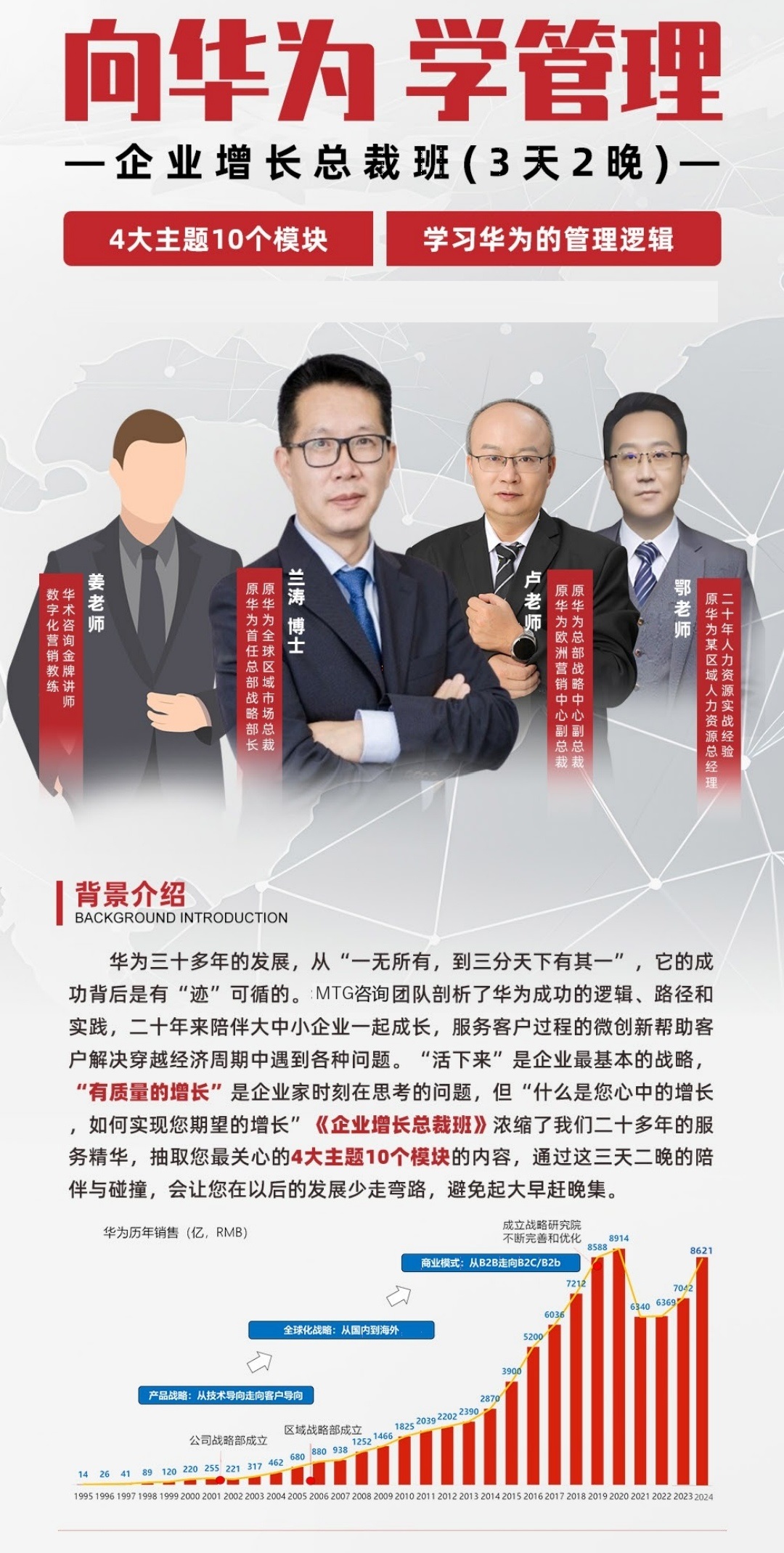
点击链接或者扫码注册就能赚钱,数字经济谁先注册,下线就为谁赚钱,介绍服务费
智谷AI名片 无需下载注册就送红包
抢占,卡位,抢占先机,抢开数字门店需要激活码,可以留言
想赚更多钱,想了解详情,请下载,或者留言,一对一沟通,或者参加培训

深圳市马市特吉科技有限责任公司 Copyright © 20024-2026
微信扫码添加我


