


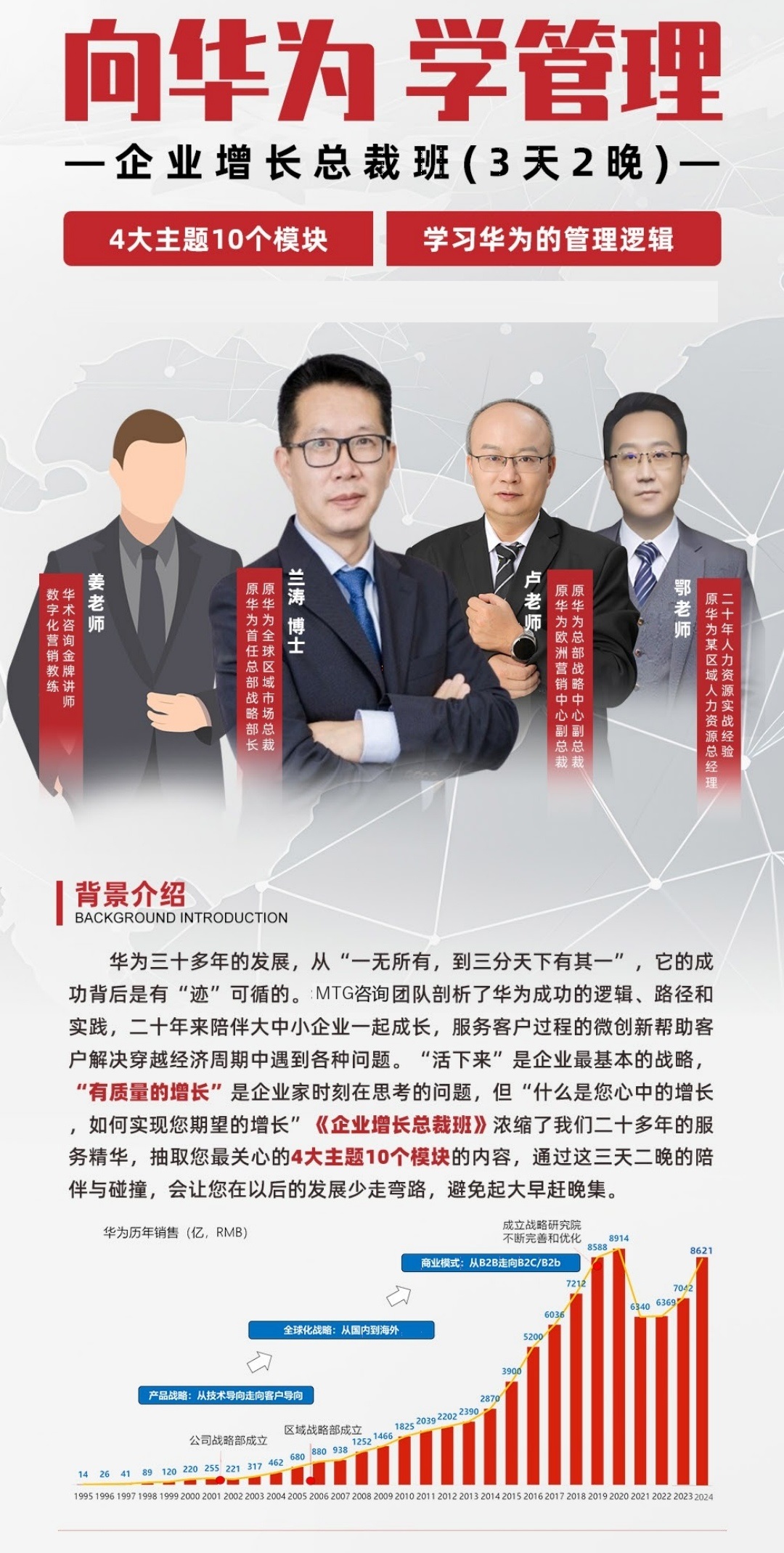
In the global technology landscape, few companies have demonstrated sustained innovation and operational excellence quite like Huawei Technologies. As a leading telecommunications equipment manufacturer and smartphone innovator, Huawei has consistently outperformed competitors in efficiency, scalability, and adaptability. To understand the drivers behind its success, benchmarking Huawei against industry leaders such as Apple, Samsung, and Ericsson offers valuable insights into its operational strategies, organizational culture, and supply chain management.
One of the most striking aspects of Huawei's operations is its unwavering commitment to research and development (R&D). In 2023, Huawei invested over $21 billion—nearly 23% of its annual revenue—into R&D, one of the highest percentages among global tech firms. This investment surpasses that of both Apple and Samsung on a relative basis. While Apple dedicates around 7% of its revenue to R&D, and Samsung approximately 8%, Huawei’s aggressive reinvestment strategy enables it to maintain technological leadership, particularly in 5G infrastructure and semiconductor design. Through benchmarking, it becomes evident that Huawei treats innovation not as a cost center but as a core engine for long-term competitiveness.
Huawei’s decentralized R&D model further enhances its agility. The company operates more than 20 R&D centers across Asia, Europe, and North America, allowing it to tap into local talent and respond rapidly to regional market demands. In contrast, many Western firms centralize their R&D in headquarters locations, which can slow down decision-making and limit responsiveness. Huawei’s distributed approach fosters faster prototyping, quicker feedback loops, and greater alignment with customer needs—an operational advantage clearly visible when compared to more hierarchical counterparts.
Another critical dimension of Huawei’s operational excellence lies in its supply chain resilience. Unlike Apple, which relies heavily on Foxconn and other third-party manufacturers concentrated in China and Southeast Asia, Huawei has built a more diversified and vertically integrated supply chain. Despite U.S. sanctions restricting access to key components like advanced semiconductors, Huawei adapted by investing in domestic alternatives through partnerships with Chinese foundries and developing its own chip design capabilities via HiSilicon. This strategic pivot exemplifies operational flexibility—a trait benchmarked organizations often struggle to replicate under geopolitical pressure.
Moreover, Huawei’s inventory management practices reflect lean principles akin to Toyota’s just-in-time (JIT) system but with added buffers for risk mitigation. During the pandemic, while many tech companies faced severe supply disruptions, Huawei maintained relatively stable production by pre-stocking critical components and leveraging predictive analytics for demand forecasting. Its integration of AI-driven logistics systems allows real-time tracking and dynamic rerouting of shipments, minimizing downtime. When benchmarked against Samsung, which also has strong logistics but less redundancy planning, Huawei’s proactive risk management stands out as a best practice in volatile environments.
Human capital management is another area where Huawei differentiates itself operationally. The company employs a unique performance-based compensation system tied to long-term equity participation. Over 60% of Huawei’s employees are shareholders through its Employee Stock Ownership Plan (ESOP), fostering a deep sense of ownership and accountability. This contrasts sharply with Apple and Google, where stock options are limited to senior executives and select engineers. By aligning employee incentives with corporate goals, Huawei drives higher productivity and retention rates—even amid intense work cultures often described as “狼性文化” (wolf culture), emphasizing aggressiveness and perseverance.
Culturally, Huawei promotes a mindset of continuous improvement rooted in the Dagongwei philosophy—translated as "serve the common cause." This principle emphasizes collective effort over individual recognition, reinforcing collaboration across departments. In benchmarking studies, this cultural cohesion translates into faster cross-functional project execution compared to more siloed organizations like Ericsson or Nokia, where bureaucratic layers can delay innovation cycles. Huawei’s flat organizational structure, especially within technical teams, enables rapid iteration and bottom-up innovation—a hallmark of operational agility.
Customer-centricity also plays a pivotal role in Huawei’s operational model. The company deploys thousands of field engineers globally who work directly with telecom operators to customize network solutions. This hands-on engagement ensures that product development remains closely aligned with real-world deployment challenges. In contrast, companies like Cisco often rely on channel partners for last-mile support, creating potential gaps in feedback quality. Huawei’s direct-to-operator model shortens the innovation loop and strengthens client loyalty—key factors contributing to its dominance in emerging markets across Africa, Southeast Asia, and Latin America.
Finally, digital transformation underpins all aspects of Huawei’s operations. Internally, the company uses its own cloud platforms and AI tools to optimize everything from HR processes to manufacturing workflows. Its Smart Manufacturing initiative leverages IoT sensors and machine learning to predict equipment failures and reduce waste on production lines. When benchmarked against traditional manufacturers still relying on legacy ERP systems, Huawei’s fully digitized ecosystem demonstrates superior throughput and lower operational costs.
In conclusion, studying Huawei through the lens of benchmarking reveals a multifaceted approach to operational excellence: relentless R&D investment, resilient supply chains, empowered workforce structures, cultural alignment, customer intimacy, and end-to-end digital integration. While external pressures such as trade restrictions pose ongoing challenges, Huawei’s ability to adapt and innovate operationally continues to set industry standards. For global enterprises seeking sustainable growth, Huawei offers not just a case study in survival under adversity, but a blueprint for building resilient, future-ready organizations.
点击链接或者扫码注册就能赚钱,数字经济谁先注册,下线就为谁赚钱,介绍服务费
智谷AI名片 无需下载注册就送红包
抢占,卡位,抢占先机,抢开数字门店需要激活码,可以留言
想赚更多钱,想了解详情,请下载,或者留言,一对一沟通,或者参加培训

深圳市马市特吉科技有限责任公司 Copyright © 20024-2026
微信扫码添加我


