


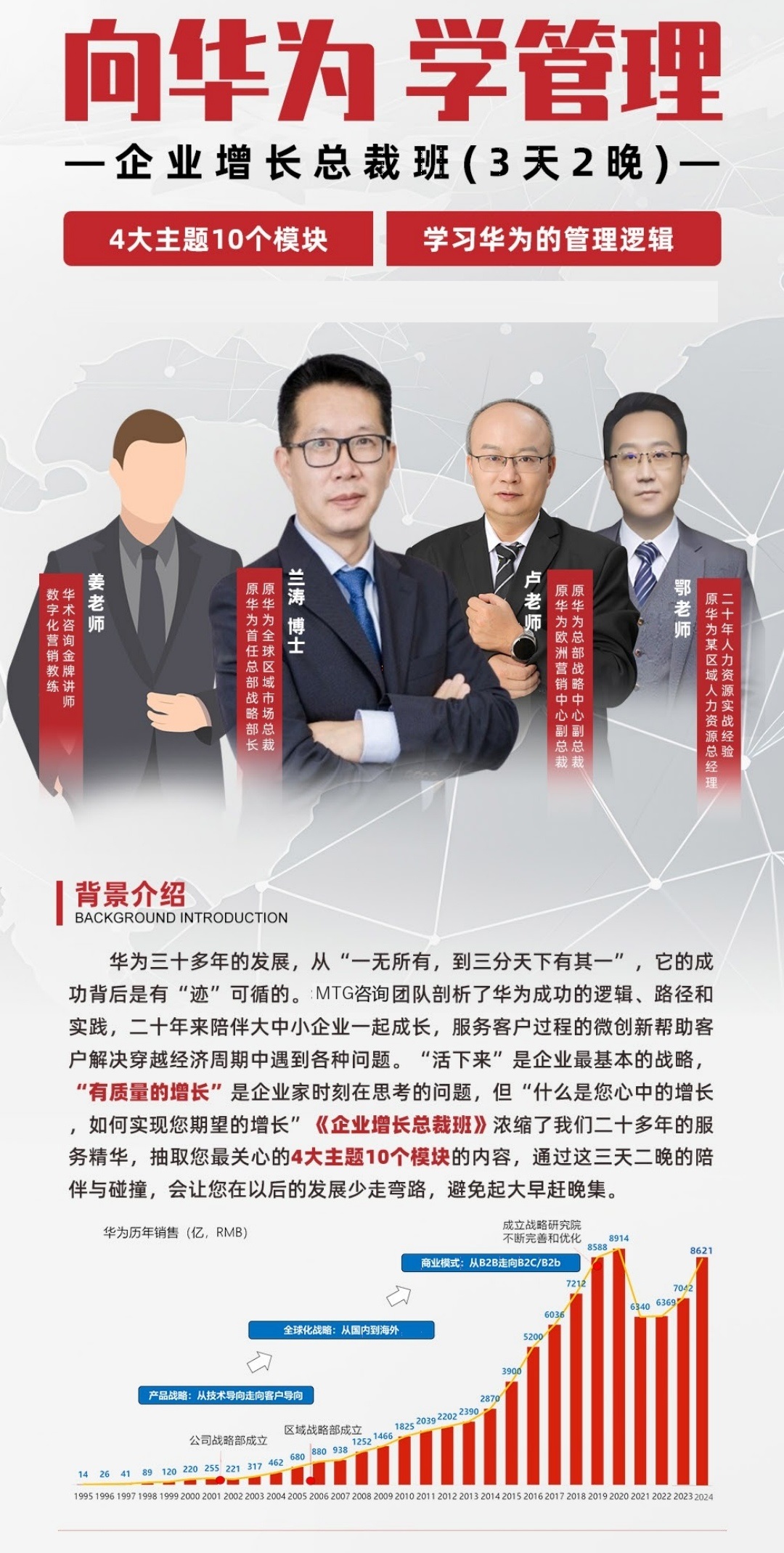
In an era defined by rapid technological change, global competition, and evolving customer expectations, organizations must continuously innovate and adapt to remain competitive. Few companies exemplify this imperative as effectively as Huawei Technologies Co., Ltd. From its inception in 1987 as a modest telecommunications equipment reseller to its current status as a global leader in ICT (Information and Communications Technology), Huawei has demonstrated strategic foresight, relentless innovation, and operational excellence. By benchmarking best practices inspired by Huawei’s corporate strategy, businesses across industries can glean valuable insights into sustainable growth, resilience, and long-term success.
One of the most defining aspects of Huawei’s strategy is its unwavering commitment to research and development (R&D). The company consistently allocates a significant portion of its revenue—often exceeding 15% annually—to R&D investment. In 2023 alone, Huawei spent over $20 billion on research, placing it among the top global spenders in innovation. This level of investment enables Huawei to maintain technological leadership in areas such as 5G, artificial intelligence, cloud computing, and semiconductors. For other organizations, the lesson is clear: sustained innovation requires not just short-term funding but a long-term cultural commitment to technological advancement. Companies should view R&D not as a cost center but as a strategic driver of differentiation and market leadership.
Huawei’s globalization strategy also offers critical lessons for multinational enterprises. Rather than adopting a one-size-fits-all approach, Huawei tailors its products, services, and business models to local markets while maintaining a cohesive global vision. It establishes regional research centers, partners with local universities, and hires talent from diverse geographies. This localization strategy fosters trust, enhances customer relevance, and ensures compliance with regional regulations. Businesses aiming to expand internationally can emulate this model by balancing global scalability with local responsiveness. Building strong local teams and investing in community engagement are essential components of sustainable international growth.
Another hallmark of Huawei’s success is its customer-centric innovation model. The company emphasizes deep collaboration with customers to co-develop solutions that address real-world challenges. For example, Huawei works closely with telecom operators to design network infrastructure that meets specific performance, cost, and scalability requirements. This close alignment ensures that innovations are not only technically advanced but also commercially viable. Organizations seeking to enhance their value proposition should adopt similar collaborative approaches, embedding customer feedback loops into every stage of product development. By placing the customer at the heart of innovation, companies can increase adoption rates and build lasting loyalty.
Huawei’s organizational culture, often described as one of resilience and self-reliance, further distinguishes it in the global marketplace. Facing significant external pressures, including trade restrictions and geopolitical tensions, Huawei has responded by strengthening internal capabilities. The development of its HarmonyOS operating system and the expansion of its semiconductor division are testaments to its ability to pivot under pressure. This capacity for adaptation stems from a culture that values perseverance, continuous learning, and long-term thinking. Leaders in other organizations can foster similar resilience by encouraging agility, empowering employees to solve problems creatively, and building redundancy into supply chains and technology ecosystems.
Moreover, Huawei places a strong emphasis on talent development and retention. The company operates numerous training academies and leadership programs designed to cultivate technical expertise and managerial acumen. Employees are encouraged to rotate across functions and geographies, broadening their experience and fostering cross-functional collaboration. Performance is rigorously evaluated, and high achievers are rewarded with equity-like incentives through its employee stock ownership plan (ESOP). This structure aligns individual goals with corporate objectives and promotes a sense of shared ownership. Other companies can learn from this by investing in continuous learning, promoting internal mobility, and creating incentive structures that reflect long-term contribution rather than short-term results.
Supply chain management is another area where Huawei excels. The company has built a vertically integrated and highly responsive supply chain, allowing it to maintain production continuity even amid disruptions. By developing in-house capabilities in key areas—from chip design to software development—Huawei reduces dependency on external suppliers and enhances control over quality and timelines. While full vertical integration may not be feasible for all businesses, the principle of strategic autonomy is universally applicable. Organizations should assess their supply chain vulnerabilities and consider building internal capabilities or forming strategic partnerships in mission-critical domains.
Finally, Huawei’s long-term strategic planning sets it apart from competitors focused on quarterly earnings. The company operates on multi-year roadmaps that guide investment, innovation, and market entry decisions. This forward-looking mindset allows Huawei to anticipate industry shifts and position itself ahead of trends. For instance, its early bets on 5G and digital transformation have paid substantial dividends. Businesses should adopt similar horizon planning, setting clear long-term visions supported by measurable milestones. Leadership must resist the temptation of short-termism and instead focus on building enduring value.
In conclusion, Huawei’s corporate strategy offers a rich source of best practices for organizations striving for excellence in a complex global environment. Its dedication to R&D, customer-driven innovation, global-local balance, talent empowerment, and strategic resilience provides a blueprint for sustainable success. While not every aspect of Huawei’s model is directly transferable, the underlying principles—long-term thinking, adaptability, and relentless execution—are universally relevant. By studying and adapting these practices, companies can strengthen their competitive advantage and navigate the uncertainties of the future with greater confidence.

点击链接或者扫码注册就能赚钱,数字经济谁先注册,下线就为谁赚钱,介绍服务费
智谷AI名片 无需下载注册就送红包
抢占,卡位,抢占先机,抢开数字门店需要激活码,可以留言
想赚更多钱,想了解详情,请下载,或者留言,一对一沟通,或者参加培训

深圳市马市特吉科技有限责任公司 Copyright © 20024-2026
微信扫码添加我


