


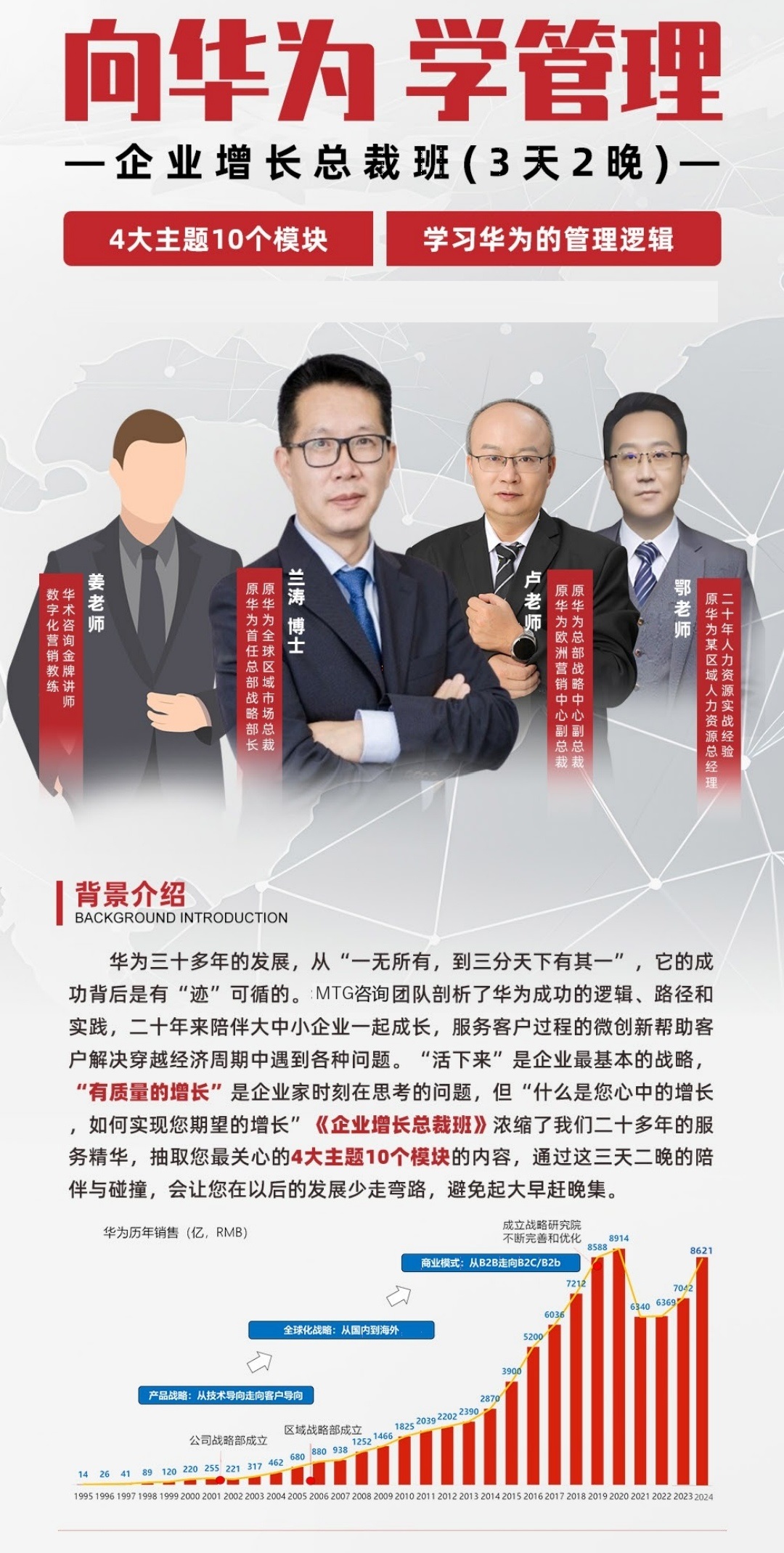
Mastering Management Excellence: Lessons from Huawei Cases
In the dynamic and fiercely competitive world of global technology, few companies have risen as rapidly and sustainably as Huawei Technologies. Founded in 1987 by Ren Zhengfei with a modest investment of about $5,000, Huawei has transformed into one of the world’s leading telecommunications equipment manufacturers and smartphone innovators. Its journey offers profound insights into management excellence—driven not by chance, but by deliberate strategy, cultural resilience, and organizational adaptability. By examining key aspects of Huawei’s management model, businesses can extract valuable lessons on leadership, innovation, talent development, and crisis response.
One of the most defining characteristics of Huawei’s success is its long-term strategic orientation. Unlike many firms that prioritize quarterly earnings, Huawei consistently invests in future capabilities, even at the expense of short-term profits. Over the past decade, the company has allocated approximately 15% of its annual revenue to research and development (R&D), amounting to over $20 billion annually in recent years. This unwavering commitment enabled breakthroughs in 5G technology, semiconductors through its HiSilicon subsidiary, and cloud computing infrastructure. The lesson here is clear: sustainable excellence requires visionary leadership willing to sacrifice immediate gains for enduring technological superiority.
Huawei’s approach to talent management further exemplifies its management prowess. The company operates under a performance-driven culture where meritocracy reigns supreme. Employees are evaluated based on results, contribution, and alignment with core values such as “customer-centricity” and “hardworking spirit.” High performers are rewarded generously through stock options and bonuses, creating a powerful incentive structure. Notably, Huawei employs a unique employee stock ownership plan (ESOP), where nearly all shares are held by employees through the Huawei Investment & Holding Co., Ltd. Union. This fosters a sense of ownership and collective responsibility, aligning individual goals with corporate objectives. For other organizations, this underscores the importance of equity-based motivation and cultivating a culture where employees feel genuinely invested in the company’s mission.
Another critical aspect of Huawei’s management philosophy is its emphasis on decentralization and operational agility. Despite its massive scale—with over 200,000 employees across 170 countries—Huawei maintains relatively flat organizational structures within business units. Decision-making authority is pushed down to frontline teams, enabling faster responses to market changes. This principle, known internally as “frontline command of resources,” ensures that those closest to customers have the power to act swiftly. During the U.S. trade restrictions imposed in 2019, this agility allowed Huawei to pivot quickly—from consumer devices reliant on American components to expanding its enterprise and cloud services. The takeaway is that scalability should not come at the cost of responsiveness; empowering local teams enhances resilience in turbulent times.
Huawei also demonstrates exceptional crisis management and organizational learning. When faced with geopolitical pressures and supply chain disruptions, the company did not retreat but instead doubled down on self-reliance. It launched “Plan B” initiatives years before the sanctions, anticipating potential risks. The development of HarmonyOS, its proprietary operating system, and the expansion of its semiconductor design capabilities were part of a broader strategy of technological sovereignty. This proactive risk mitigation reflects a deep-rooted culture of preparedness—a hallmark of mature management systems. Organizations must recognize that in an era of uncertainty, resilience is not accidental but built through continuous scenario planning and investment in backup systems.
Moreover, Huawei’s global integration strategy reveals sophisticated cross-cultural management practices. Rather than imposing a centralized Chinese management style, the company adapts its operations to local markets while maintaining core principles. Regional subsidiaries are granted autonomy in marketing, customer engagement, and talent recruitment, ensuring relevance in diverse cultural contexts. At the same time, Huawei instills a unified corporate culture through rigorous training programs and value-based performance reviews. This balance between global consistency and local responsiveness is a masterclass in multinational management—an essential capability for any organization aspiring to operate internationally.
Finally, Huawei’s leadership model centers on humility, discipline, and long-term thinking. Ren Zhengfei, though the founder, owns less than 1% of the company and lives a famously frugal lifestyle. His leadership is marked by openness to criticism, frequent engagement with engineers, and public acknowledgment of Huawei’s vulnerabilities. This servant-leadership approach inspires trust and accountability throughout the organization. It challenges the conventional notion that charismatic, top-down leadership is necessary for growth. Instead, Huawei proves that sustained excellence stems from leaders who prioritize institutional strength over personal prominence.
In conclusion, Huawei’s ascent is not merely a story of technological innovation but a testament to superior management practices. From strategic patience and talent empowerment to decentralized execution and crisis foresight, the company offers a blueprint for organizational excellence in the 21st century. While external circumstances may differ, the underlying principles—long-term vision, cultural cohesion, adaptive structures, and ethical leadership—are universally applicable. For managers and leaders worldwide, studying Huawei is not just about understanding a single firm’s success, but about reimagining what is possible when management is practiced with purpose, rigor, and foresight.
点击链接或者扫码注册就能赚钱,数字经济谁先注册,下线就为谁赚钱,介绍服务费
智谷AI名片 无需下载注册就送红包
抢占,卡位,抢占先机,抢开数字门店需要激活码,可以留言
想赚更多钱,想了解详情,请下载,或者留言,一对一沟通,或者参加培训

深圳市马市特吉科技有限责任公司 Copyright © 20024-2026
微信扫码添加我


