


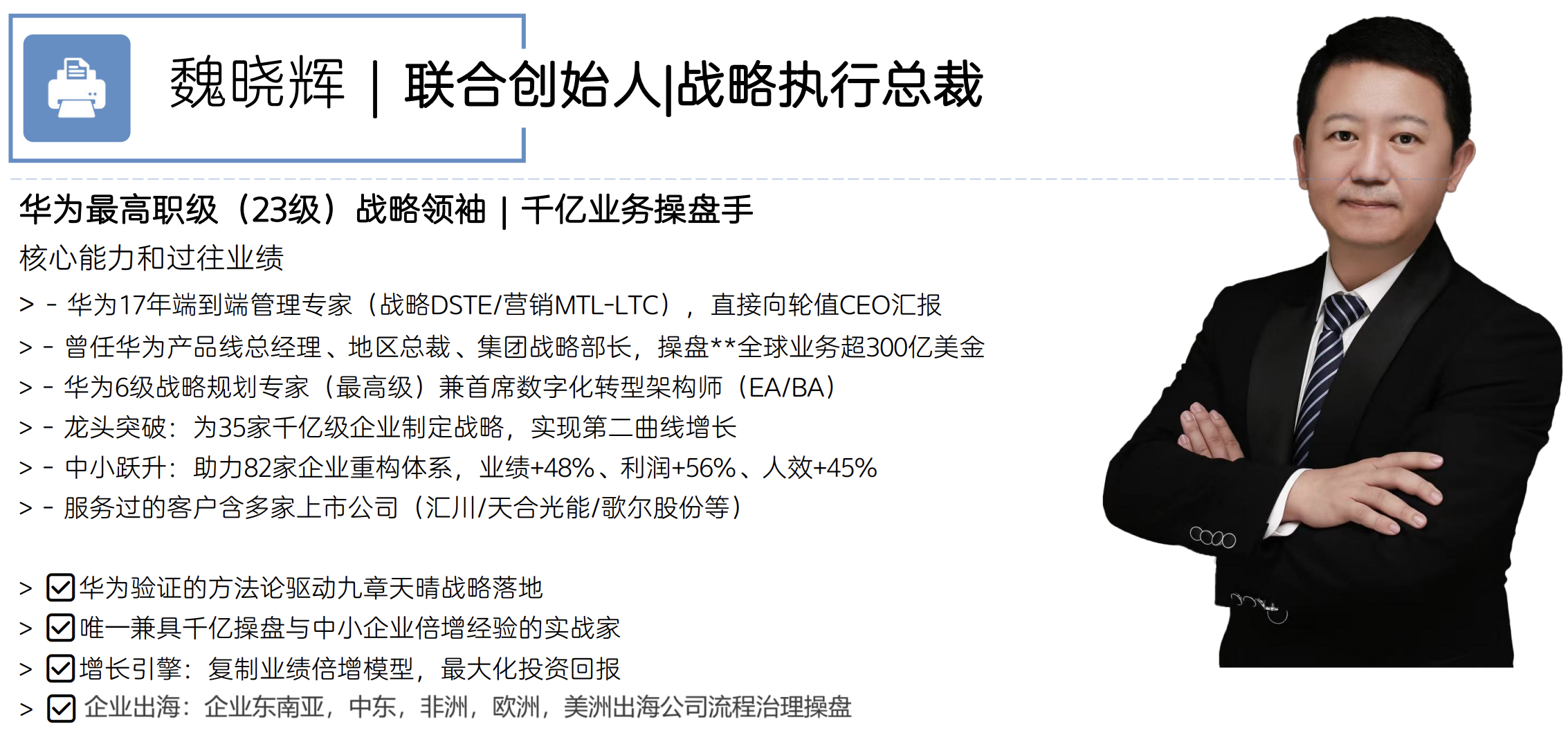
Advanced Benchmarking Training Using Huawei as a Reference Model
In today’s hyper-competitive global business environment, organizations must continuously refine their strategies, processes, and innovation capabilities to maintain a sustainable advantage. One of the most effective methodologies for achieving this is benchmarking—systematically comparing business practices, performance metrics, and operational processes against industry leaders. Among the most compelling reference models in modern enterprise development is Huawei Technologies, a Chinese multinational that has evolved from a modest telecom equipment provider into a global leader in information and communications technology (ICT). By studying Huawei’s strategic evolution, organizational culture, R&D investment, and global integration, companies can gain profound insights into advanced benchmarking and long-term competitive resilience.
Huawei’s rise offers a rich case study in how sustained innovation, customer-centricity, and operational excellence can be institutionalized across diverse markets. The company’s commitment to research and development stands out as a cornerstone of its success. Huawei consistently allocates over 20% of its annual revenue to R&D—significantly higher than the industry average. In 2023 alone, the company invested more than $23 billion in technological innovation, making it one of the top global spenders in R&D. This relentless focus enables Huawei to lead in critical areas such as 5G infrastructure, artificial intelligence, cloud computing, and semiconductor design. For organizations aiming to benchmark at an advanced level, adopting Huawei’s model means embedding innovation not as a periodic initiative but as a core, continuous function woven into the fabric of the enterprise.
Another key dimension of Huawei’s benchmarkable strategy is its unique ownership and incentive structure. Unlike publicly traded corporations driven by shareholder returns, Huawei operates under an employee stock ownership plan (ESOP), where over 100,000 employees hold shares in the company. This structure aligns individual performance with long-term organizational goals, fostering a deeply committed workforce. Employees are not just labor contributors but stakeholders with a vested interest in Huawei’s success. For other firms, emulating this aspect may require rethinking traditional governance models and exploring alternative incentive frameworks that promote accountability, transparency, and collective responsibility.
Operational agility and supply chain resilience further distinguish Huawei as a benchmark-worthy organization. Facing significant geopolitical challenges, including U.S. export restrictions and technology bans, Huawei responded not with retreat but with accelerated internal innovation. The company developed its own operating system (HarmonyOS), redesigned chip architectures, and strengthened partnerships with domestic suppliers. This adaptive capacity underscores the importance of building redundancy, diversifying sourcing, and investing in digital sovereignty. Advanced benchmarking, therefore, involves not only measuring efficiency but also assessing organizational resilience in the face of external shocks. Companies should evaluate their crisis response mechanisms, supply chain dependencies, and technological self-reliance using Huawei’s experience as a stress test.
Culturally, Huawei promotes a “wolf spirit”—a philosophy emphasizing vigilance, teamwork, and aggressive pursuit of opportunity. While this ethos may seem intense, it reflects a broader cultural emphasis on discipline, execution speed, and market responsiveness. Employees are encouraged to take initiative, work in cross-functional teams, and operate with a sense of urgency. Leadership at Huawei is expected to lead from the front, often spending significant time in the field with customers and project teams. This hands-on approach ensures alignment between strategy and implementation. Organizations seeking to adopt such cultural traits should focus on leadership development programs that emphasize operational immersion, decision-making under uncertainty, and frontline engagement.
Global scalability is another area where Huawei excels. With operations in over 170 countries and regions, the company has mastered the art of localization without sacrificing global integration. It tailors products and services to meet regional regulatory, linguistic, and technical requirements while maintaining centralized R&D and quality control. This balance between standardization and customization is a hallmark of mature multinational enterprises. Advanced benchmarking exercises should therefore include assessments of global footprint management, local partnership strategies, and cultural intelligence within leadership teams.
Moreover, Huawei’s customer-driven innovation model provides valuable lessons. The company employs a “lead user” strategy, working closely with telecommunications operators and enterprise clients to co-develop solutions that address real-world challenges. This collaborative approach reduces time-to-market and increases solution relevance. Benchmarking against Huawei in this domain encourages organizations to move beyond transactional customer relationships and instead build ecosystems of co-innovation.
Finally, ethical considerations and corporate social responsibility cannot be overlooked when using Huawei as a reference model. While the company has faced scrutiny over data security and geopolitical concerns, its investments in green technologies, digital inclusion, and education demonstrate a growing commitment to sustainability. Advanced benchmarking must therefore incorporate not only performance metrics but also environmental, social, and governance (ESG) criteria to ensure holistic improvement.
In conclusion, advanced benchmarking is not about imitation but about informed adaptation. Huawei’s journey illustrates how vision, investment in human capital, technological autonomy, and cultural coherence can drive enduring success. Organizations that engage in deep, structured benchmarking against Huawei will uncover actionable insights across innovation, operations, leadership, and global strategy. The goal is not to replicate Huawei’s model exactly, but to extract transferable principles that enhance competitiveness, resilience, and long-term value creation in an increasingly complex world.
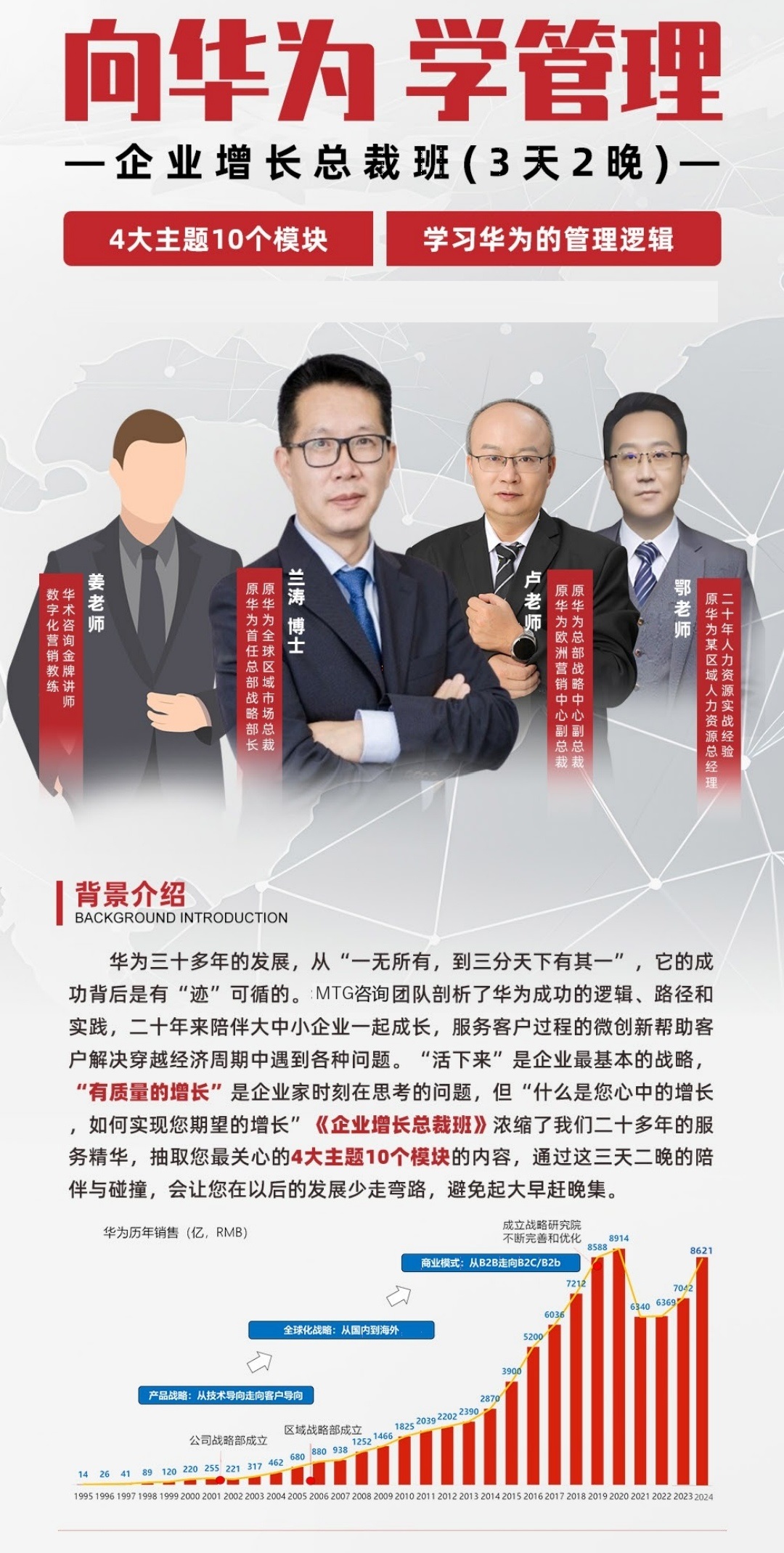
点击链接或者扫码注册就能赚钱,数字经济谁先注册,下线就为谁赚钱,介绍服务费
智谷AI名片 无需下载注册就送红包
抢占,卡位,抢占先机,抢开数字门店需要激活码,可以留言
想赚更多钱,想了解详情,请下载,或者留言,一对一沟通,或者参加培训

深圳市马市特吉科技有限责任公司 Copyright © 20024-2026
微信扫码添加我


