


In the global landscape of technology and innovation, few companies have drawn as much attention from industry leaders and analysts as Huawei Technologies. Despite facing geopolitical challenges and international scrutiny, Huawei has emerged as a benchmark for operational excellence, strategic foresight, and relentless innovation. As a result, top multinational corporations—from Apple and Samsung to Siemens and General Electric—are increasingly studying Huawei’s benchmarking strategies to uncover insights that can be applied to their own organizational models. The reasons behind this growing interest are multifaceted, ranging from Huawei’s unique approach to R&D investment and talent management to its agile response to market disruptions and global competition.
One of the most compelling aspects of Huawei’s strategy is its unwavering commitment to research and development. For years, Huawei has consistently allocated over 10% of its annual revenue to R&D, with figures reaching nearly $20 billion in recent years—placing it among the top global spenders on innovation. This level of investment surpasses many Western tech giants on a proportional basis and enables Huawei to maintain a competitive edge in critical areas such as 5G telecommunications, artificial intelligence, and cloud computing. What sets Huawei apart is not just the amount spent, but how these funds are strategically deployed. The company operates more than 20 major research institutes worldwide and collaborates closely with universities and technical institutions across Europe, Asia, and North America. By decentralizing its R&D efforts while maintaining centralized strategic direction, Huawei fosters both localized innovation and global scalability—a model that many large firms now seek to emulate.
Another key reason why top companies study Huawei lies in its distinctive corporate culture and leadership philosophy. Founded by Ren Zhengfei, a former engineer in the People’s Liberation Army, Huawei emphasizes values such as resilience, long-term thinking, and employee ownership. Unlike traditional hierarchical structures seen in many Western corporations, Huawei promotes a results-driven, performance-oriented environment where employees are incentivized through stock participation plans—even at junior levels. This internal equity model fosters a deep sense of ownership and accountability, aligning individual goals with company objectives. Moreover, Huawei’s “wolf culture”—characterized by aggressiveness, teamwork, and vigilance—has enabled the company to respond swiftly to market threats and opportunities. While controversial in some interpretations, this cultural framework offers valuable lessons in cultivating agility and discipline within large organizations.
Huawei’s supply chain and operational resilience also serve as a powerful case study for global enterprises. When placed on U.S. trade restriction lists in 2019, Huawei faced severe limitations on accessing American-made components and software, including Google’s Android ecosystem. Rather than collapsing under pressure, the company activated contingency plans developed years in advance. It accelerated the development of its HarmonyOS operating system, invested heavily in domestic semiconductor capabilities, and diversified its supplier base across Asia and Europe. This ability to pivot rapidly in the face of existential threats highlights a core principle of Huawei’s benchmarking appeal: proactive risk mitigation through redundancy, vertical integration, and technological self-reliance. In an era marked by supply chain volatility—from pandemics to geopolitical tensions—executives at leading firms view Huawei’s adaptive logistics network as a blueprint for building organizational robustness.
Furthermore, Huawei’s global expansion strategy provides critical insights into sustainable international growth. Unlike many Chinese firms that focus primarily on domestic markets or emerging economies, Huawei established a truly global footprint early on. It entered developed markets like Germany, the UK, and Canada not through low-cost competition, but by offering high-quality, technologically advanced solutions backed by strong customer service and local partnerships. The company built trust by adhering to international standards, investing in local talent, and customizing products to meet regional regulatory and technical requirements. This patient, relationship-based approach contrasts sharply with short-term profit maximization models and underscores the importance of cultural intelligence in global business operations. As Western companies expand into Asia and other complex regions, they look to Huawei’s playbook for guidance on navigating regulatory environments, managing cross-border teams, and sustaining long-term brand credibility.
Finally, Huawei’s data-driven decision-making processes offer another dimension worthy of emulation. The company leverages big data analytics and AI-powered tools across functions—from product development to customer support—to optimize efficiency and anticipate market trends. Its use of real-time feedback loops allows for continuous improvement and rapid iteration, reducing time-to-market and enhancing responsiveness. Additionally, Huawei places strong emphasis on intellectual property, filing tens of thousands of patents annually and actively participating in global standard-setting bodies. This systematic approach to knowledge creation and protection ensures that innovation is not only encouraged but also institutionalized.
In conclusion, top companies study Huawei’s benchmarking strategies because they represent a rare combination of visionary leadership, operational rigor, and strategic adaptability. Whether it’s the scale of R&D investment, the depth of cultural alignment, the resilience of supply chains, or the sophistication of global market entry, Huawei offers actionable insights for organizations aiming to thrive in an unpredictable world. While not every aspect of its model may be directly transferable—especially given differences in governance, regulation, and market context—the underlying principles of preparation, perseverance, and innovation remain universally relevant. As the pace of technological change accelerates, Huawei stands not just as a competitor, but as a reference point for what is possible when strategy, culture, and execution converge at the highest level.
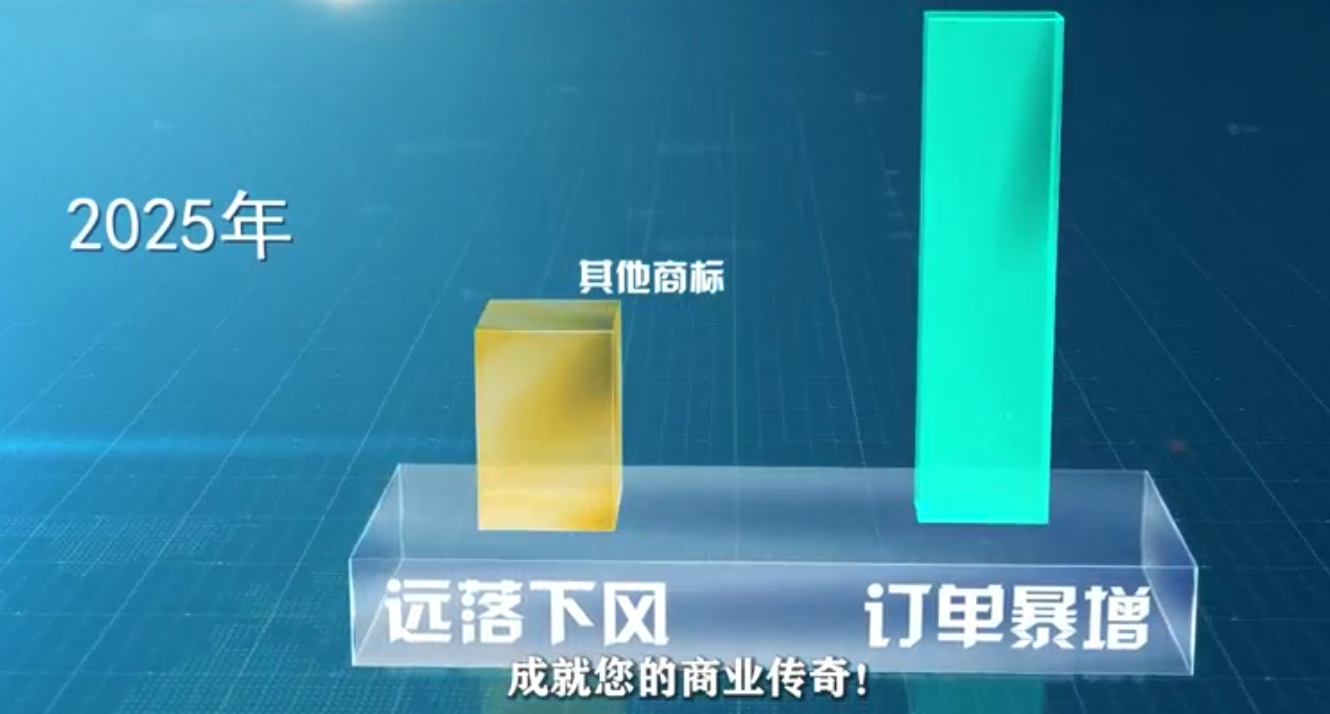
点击链接或者扫码注册就能赚钱,数字经济谁先注册,下线就为谁赚钱,介绍服务费
智谷AI名片 无需下载注册就送红包
抢占,卡位,抢占先机,抢开数字门店需要激活码,可以留言
想赚更多钱,想了解详情,请下载,或者留言,一对一沟通,或者参加培训

深圳市马市特吉科技有限责任公司 Copyright © 20024-2026
微信扫码添加我


