


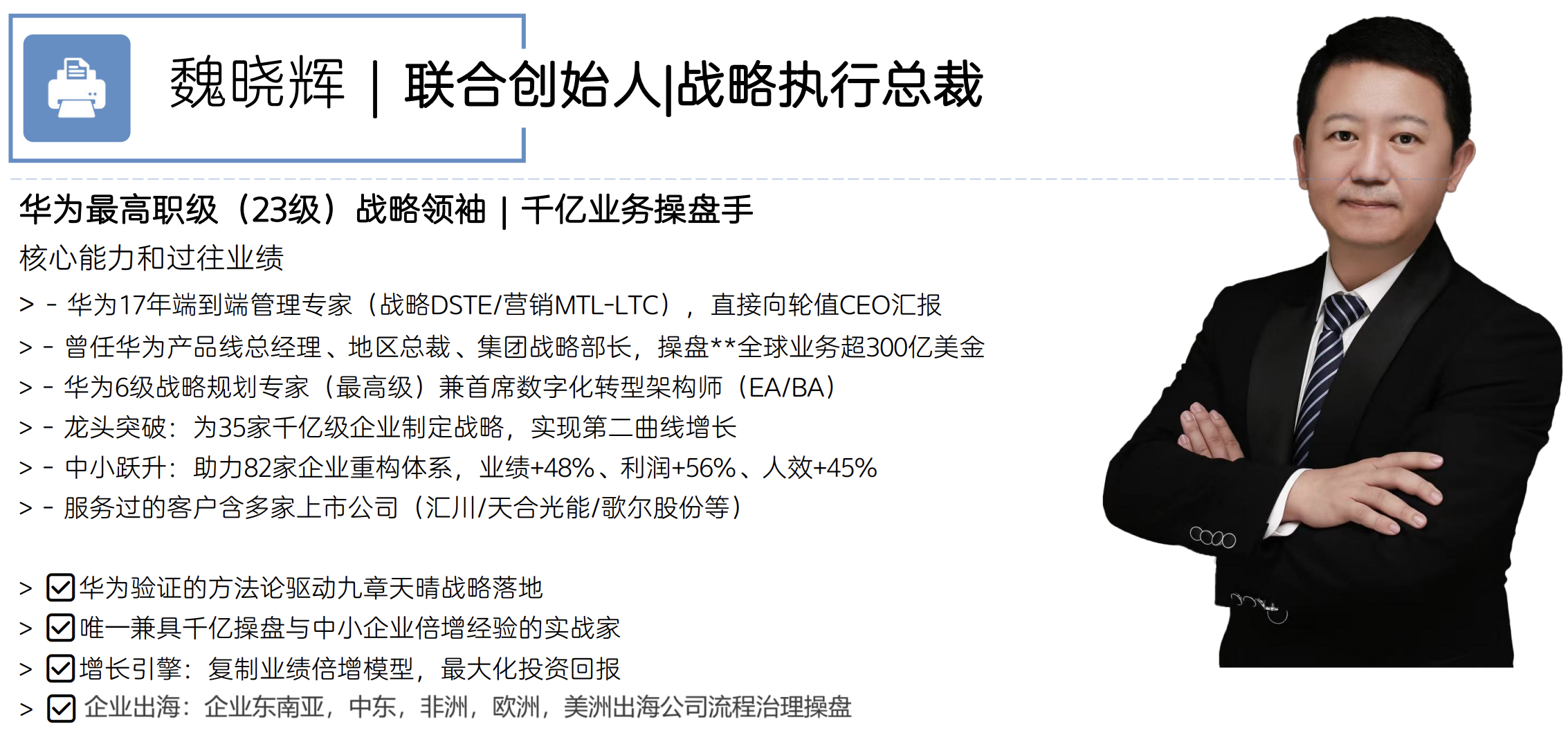
In the rapidly evolving global technology landscape, Huawei has emerged as a paragon of innovation—not only in product development but also in management practices. Over the past three decades, the company has cultivated a unique set of management models that have enabled it to scale globally, respond swiftly to market changes, and sustain long-term growth despite geopolitical and technological challenges. These models are not theoretical constructs; they are deeply embedded in real-world applications across Huawei’s operations. By examining several key case studies, we can better understand how Huawei’s management innovations translate into tangible business outcomes.
One of the most prominent examples is Huawei’s implementation of the Integrated Product Development (IPD) model, adopted from IBM in the late 1990s. At the time, Huawei faced inefficiencies in its R&D processes, with overlapping teams and duplicated efforts slowing down product launches. The IPD framework introduced cross-functional teams, stage-gate decision points, and concurrent engineering principles. In practice, this meant that hardware engineers, software developers, marketing specialists, and customer support representatives collaborated from the very beginning of a product’s lifecycle. A notable application was seen during the development of Huawei’s 5G base stations. By aligning all departments under a unified roadmap and shared accountability, the company reduced time-to-market by nearly 40% compared to previous generations of telecom equipment. This streamlined process allowed Huawei to deploy 5G infrastructure faster than many competitors, securing early contracts in Europe and Asia.
Another cornerstone of Huawei’s management philosophy is its “Chief Responsibility System,” which emphasizes decentralized decision-making while maintaining strategic alignment. Unlike traditional hierarchical structures, Huawei empowers front-line managers—referred to as “line leaders”—to make operational decisions without waiting for approval from headquarters. This model was rigorously tested during the U.S. sanctions imposed in 2019, which cut off Huawei’s access to Google Mobile Services and advanced semiconductor technologies. In response, regional managers in Europe and Southeast Asia were given autonomy to pivot marketing strategies, adjust pricing, and forge new partnerships with local app developers. Meanwhile, the consumer business group launched the HarmonyOS initiative with remarkable speed, leveraging internal talent pools and agile development cycles. The result was the successful rollout of an alternative ecosystem for smartphones and IoT devices, demonstrating resilience through empowered leadership.
Huawei’s performance-driven culture is further reinforced by its unique employee shareholding system. With over 100,000 employees holding shares through the Huawei Investment & Holding Co., Ltd., the company fosters a sense of ownership and long-term commitment. This model proved critical during the pandemic when global supply chains were disrupted. Instead of resorting to mass layoffs, Huawei relied on voluntary rotations, internal redeployment, and temporary salary adjustments proposed and accepted by employee representatives. Teams in Shenzhen reorganized factory workflows using digital twins and AI optimization tools, enabling remote monitoring and minimal downtime. The shared financial stake motivated employees to innovate under pressure, ensuring continuity in delivering network solutions to hospitals and emergency services worldwide.
Moreover, Huawei’s Global Account Management (GAM) model exemplifies its client-centric approach. Rather than treating customers as transactional entities, Huawei assigns dedicated account teams to major telecom operators like Vodafone, Telefónica, and China Mobile. These teams function as strategic partners, co-developing solutions tailored to specific market needs. For instance, in Germany, Huawei worked closely with Deutsche Telekom to design energy-efficient radio units that reduced power consumption by 30%, aligning with the operator’s sustainability goals. The GAM structure integrates technical experts, legal advisors, and project managers into a single unit, ensuring seamless communication and rapid problem resolution. This deep collaboration has led to multi-year contracts and high customer retention rates, even amid increasing competition from Nordic vendors.
Internally, Huawei applies data-driven management through its Enterprise Resource Planning (ERP) upgrades and AI-powered analytics platforms. After experiencing bottlenecks in logistics and inventory management during its international expansion, the company invested heavily in digital transformation. Today, its Smart Operations Center uses real-time dashboards to monitor everything from component shortages to delivery delays. During the Suez Canal blockage in 2021, Huawei’s system automatically rerouted shipments via air freight and alternate sea routes, minimizing disruptions to European clients. Predictive algorithms also optimize workforce allocation, ensuring that R&D resources are dynamically shifted toward high-priority projects such as 6G research and intelligent automotive systems.
Finally, Huawei’s emphasis on continuous learning reflects its belief that organizational agility stems from human capital development. The company operates the Huawei University, which offers customized training programs for both new hires and senior executives. When entering emerging markets like Latin America and Africa, localized curricula prepare teams for regulatory environments, cultural nuances, and infrastructure limitations. Field engineers in Nigeria, for example, received specialized training on deploying solar-powered base stations in off-grid areas—an initiative that expanded mobile connectivity to over two million previously unconnected users.
In conclusion, Huawei’s management innovation models are not abstract theories but practical frameworks rigorously applied across diverse business functions and geographies. From accelerating product development to empowering frontline leaders, from fostering employee ownership to building strategic customer alliances, these approaches have proven their effectiveness in real-world scenarios. As other organizations seek to navigate uncertainty and drive sustainable innovation, Huawei’s experience offers valuable lessons in adaptive leadership, systemic integration, and resilient governance.
点击链接或者扫码注册就能赚钱,数字经济谁先注册,下线就为谁赚钱,介绍服务费
智谷AI名片 无需下载注册就送红包
抢占,卡位,抢占先机,抢开数字门店需要激活码,可以留言
想赚更多钱,想了解详情,请下载,或者留言,一对一沟通,或者参加培训
深圳市马市特吉科技有限责任公司 Copyright © 20024-2026
微信扫码添加我


