



In today’s hyper-competitive global technology landscape, organizations are constantly seeking ways to enhance operational efficiency, improve product quality, and accelerate innovation. One of the most effective strategies employed by leading companies is benchmarking—systematically comparing performance metrics against industry leaders to identify best practices and uncover areas for improvement. Among these leaders, Huawei stands out as a prime example of sustained excellence in R&D, supply chain management, customer satisfaction, and organizational agility. By analyzing Huawei’s benchmarking data, businesses across industries can extract key performance drivers that contribute to its success and apply them to their own operations.
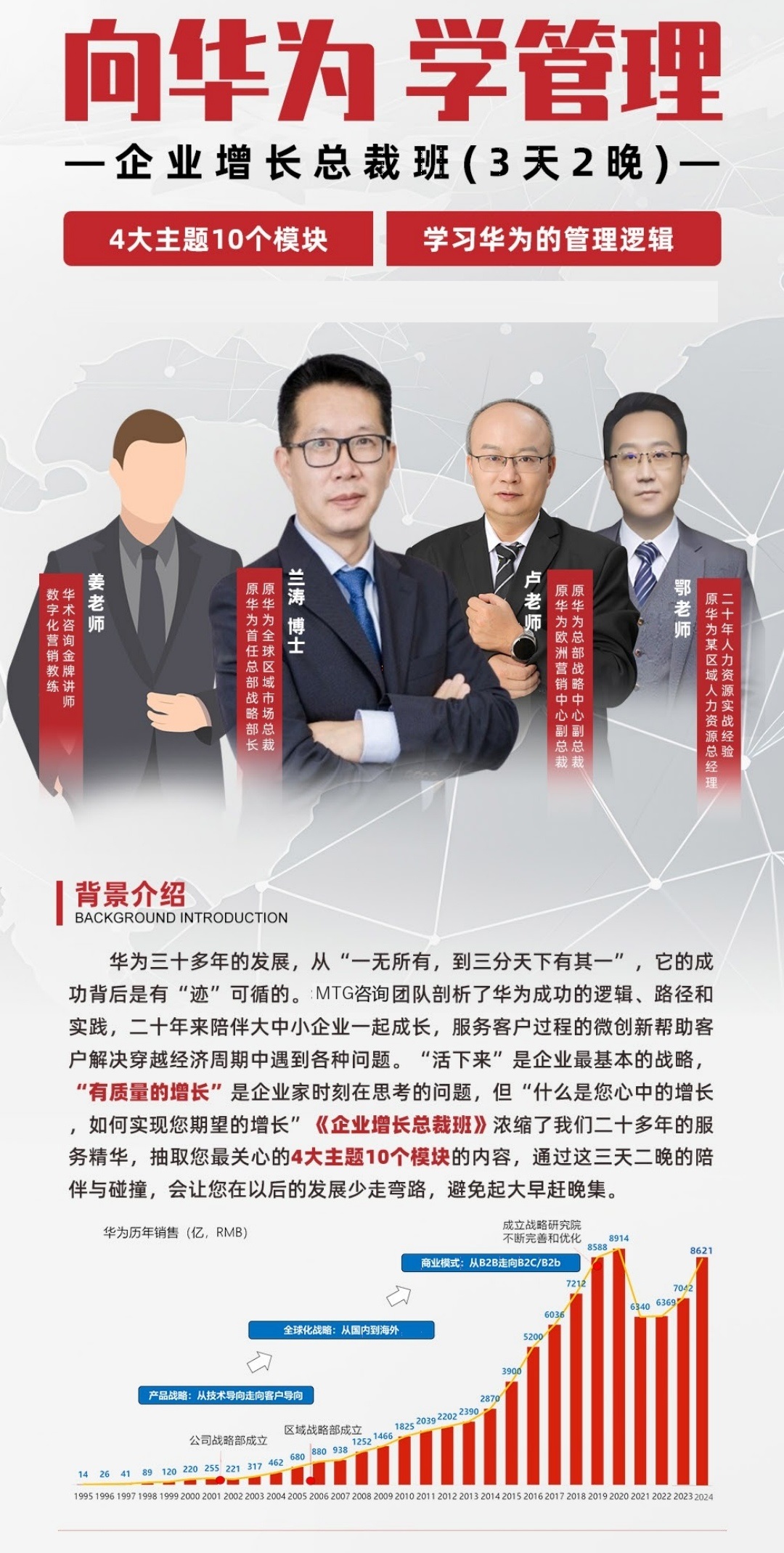
One of the most significant insights from Huawei’s benchmarking data is its relentless focus on research and development (R&D). Huawei consistently allocates over 15% of its annual revenue to R&D, placing it among the top global spenders in innovation. This strategic investment has enabled the company to maintain technological leadership in telecommunications, 5G infrastructure, and consumer electronics. The data reveals a strong correlation between R&D intensity and long-term market share growth. For instance, Huawei’s patent portfolio exceeds 120,000 filings globally, with a high concentration in core technologies such as wireless communication and artificial intelligence. Companies aiming to emulate this success should not only increase their R&D budgets but also align innovation efforts with long-term strategic goals, ensuring that investments translate into tangible competitive advantages.
Another critical performance driver evident in Huawei’s data is its integrated supply chain model. Unlike many competitors that rely heavily on outsourcing, Huawei maintains tight control over key components of its supply chain, from semiconductor design to final assembly. This vertical integration enhances responsiveness, reduces dependency on external vendors, and improves quality control. Benchmarking studies show that Huawei’s time-to-market for new products is significantly shorter than industry averages—often by several months. This agility stems from real-time data sharing across departments, predictive analytics for demand forecasting, and robust risk mitigation protocols. Organizations looking to improve their operational efficiency can learn from Huawei’s emphasis on end-to-end visibility and resilience, especially in an era marked by geopolitical uncertainties and supply disruptions.
Huawei’s customer-centric approach also emerges as a dominant factor in its performance metrics. The company employs a “frontline-driven innovation” model, where feedback from field engineers and customer service teams directly influences product development. According to internal benchmarking reports, over 30% of product enhancements originate from direct customer input. This closed-loop feedback system ensures that solutions are not only technologically advanced but also highly relevant to real-world use cases. Moreover, Huawei’s Net Promoter Score (NPS) in enterprise markets consistently ranks above industry benchmarks, reflecting high levels of trust and satisfaction. Businesses can replicate this success by embedding customer insights into every stage of the value chain—from ideation to after-sales support—and fostering a culture where customer experience is everyone’s responsibility.
Organizational culture and talent management represent another cornerstone of Huawei’s high performance. The company operates under a meritocratic framework that rewards performance, accountability, and continuous learning. Benchmarking data indicates that Huawei’s employee productivity per capita exceeds that of many Western tech firms, despite operating in a cost-sensitive environment. This is achieved through rigorous performance evaluations, transparent promotion criteria, and extensive training programs. Notably, Huawei invests heavily in developing local talent in international markets, which enhances cultural adaptability and strengthens regional operations. Leaders elsewhere should consider adopting similar performance-oriented cultures, emphasizing transparency, ownership, and lifelong learning as pillars of workforce development.
Digital transformation is yet another area where Huawei’s benchmarking data offers valuable lessons. The company has digitized over 90% of its core business processes, leveraging big data, AI, and cloud computing to optimize decision-making. For example, Huawei uses AI-powered tools to simulate network performance under various conditions, reducing testing costs and accelerating deployment. Internally, digital dashboards provide real-time KPI tracking across global units, enabling swift corrective actions. The result is a leaner, more adaptive organization capable of scaling rapidly without sacrificing quality. Other enterprises can benefit from prioritizing digital integration—not merely as an IT initiative but as a strategic enabler of operational excellence.
Finally, Huawei’s resilience in the face of external pressures underscores the importance of strategic foresight and risk diversification. Despite facing significant trade restrictions and market access challenges, the company maintained profitability and continued innovating by diversifying its revenue streams and strengthening domestic capabilities. Benchmarking data shows a deliberate shift toward enterprise services, cloud computing, and smart devices during periods of regulatory pressure. This agility was made possible by scenario planning, decentralized decision-making, and a strong corporate reserve fund. Organizations in volatile environments should take note: sustainable performance requires not just efficiency, but also preparedness for disruption.
In conclusion, Huawei’s benchmarking data provides a comprehensive blueprint for achieving superior performance in complex, fast-evolving industries. The key drivers—strategic R&D investment, supply chain integration, customer-centric innovation, performance-driven culture, digital transformation, and strategic resilience—are not isolated tactics but interconnected elements of a holistic management philosophy. While contextual differences may limit direct replication, the underlying principles offer actionable insights for any organization striving for excellence. By studying and adapting these drivers, companies can move beyond incremental improvements and pursue transformative growth in an increasingly demanding global marketplace.
点击链接或者扫码注册就能赚钱,数字经济谁先注册,下线就为谁赚钱,介绍服务费
智谷AI名片 无需下载注册就送红包
抢占,卡位,抢占先机,抢开数字门店需要激活码,可以留言
想赚更多钱,想了解详情,请下载,或者留言,一对一沟通,或者参加培训

深圳市马市特吉科技有限责任公司 Copyright © 20024-2026
微信扫码添加我


