


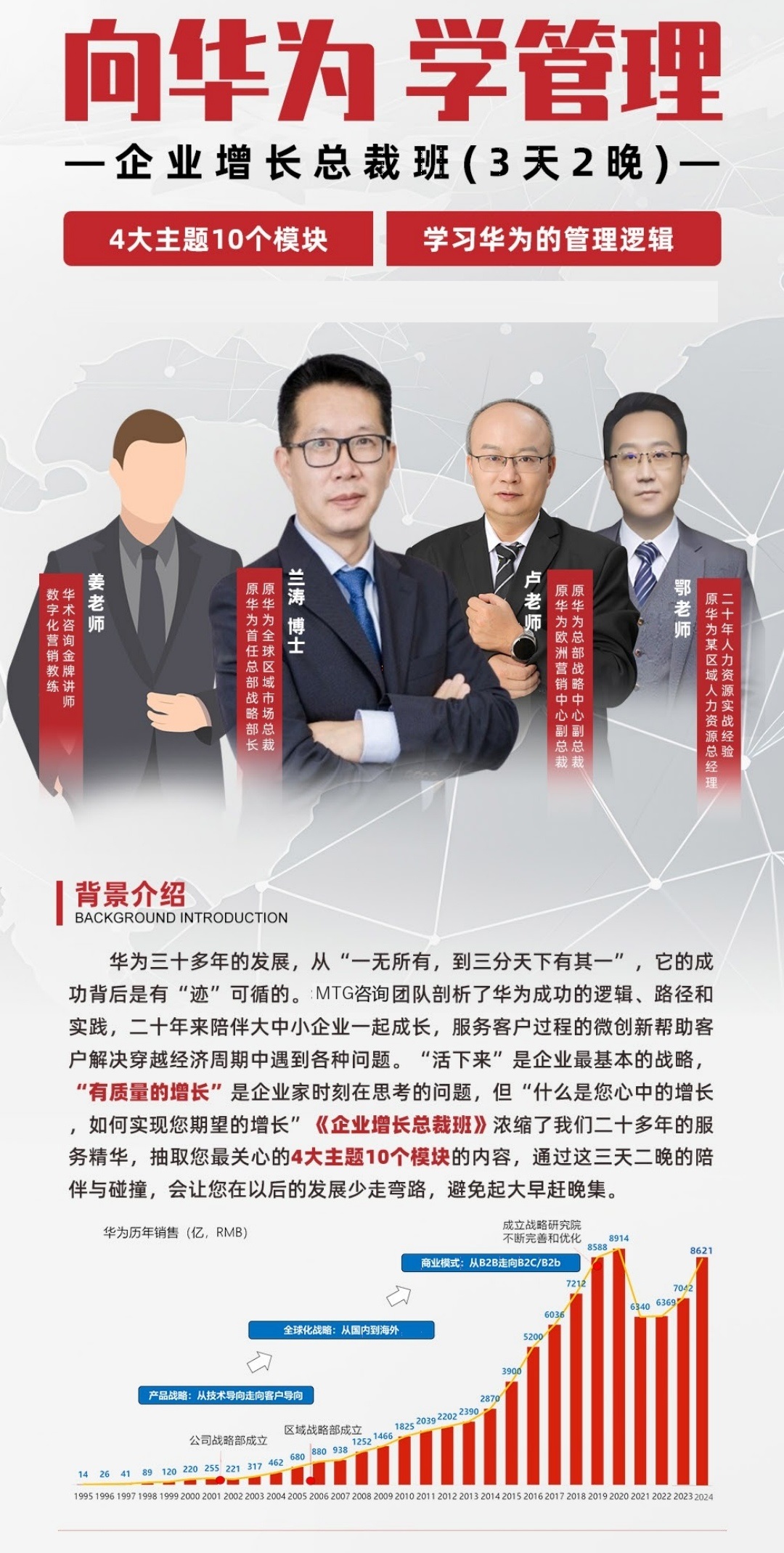
In today’s rapidly evolving technology landscape, organizations are under constant pressure to optimize performance, enhance scalability, and ensure the reliability of their IT infrastructure. As enterprises adopt more complex systems—especially those involving cloud computing, artificial intelligence, and high-performance computing—the need for accurate and meaningful benchmarking has never been greater. Huawei, a global leader in information and communications technology (ICT), has developed a comprehensive benchmarking framework known as the Huawei Playbook, which serves as a foundational guide for evaluating system performance across various domains. Building upon this robust methodology, customized benchmarking solutions have emerged as a strategic approach to meet the unique demands of different industries and use cases.
The Huawei Playbook is not merely a set of standardized tests; it is a holistic framework that integrates best practices, performance metrics, and workload characterization tailored to real-world scenarios. It covers key areas such as compute performance, storage efficiency, network throughput, energy consumption, and AI inference capabilities. What sets the Playbook apart is its emphasis on reproducibility, transparency, and relevance to actual business workloads. However, while the Playbook provides a solid baseline, off-the-shelf benchmarks often fail to capture the nuances of specific operational environments. This is where customization becomes essential.
Customized benchmarking solutions based on Huawei’s Playbook begin with a deep understanding of the client’s infrastructure, applications, and performance objectives. Rather than applying generic stress tests, engineers analyze the actual workload patterns—such as transaction volumes, data access frequencies, concurrency levels, and latency tolerances—to design benchmarks that mirror real usage. For example, in the financial services sector, where low-latency trading systems are critical, custom benchmarks might focus on microsecond-level response times and failover resilience under peak load. In contrast, for media and entertainment companies dealing with large-scale video rendering, the emphasis could shift toward GPU utilization, I/O bandwidth, and distributed processing efficiency.
One of the core advantages of leveraging Huawei’s Playbook in custom solutions is the availability of validated reference architectures. These blueprints, derived from extensive testing in Huawei’s labs and production deployments, provide a reliable starting point for benchmark design. Engineers can adapt these architectures to simulate hybrid cloud environments, edge computing nodes, or multi-tenant data centers, ensuring that the benchmarks reflect not only hardware capabilities but also software stack interactions. For instance, when deploying an AI-powered recommendation engine, a customized benchmark might evaluate end-to-end performance from data ingestion through model inference, incorporating Huawei’s Atlas AI accelerators and optimized MindSpore framework—all within the context defined by the Playbook.
Another significant benefit lies in the integration of sustainability metrics. As environmental impact becomes a growing concern, modern benchmarking must go beyond speed and capacity. Huawei’s Playbook includes guidelines for measuring power efficiency and carbon footprint, enabling organizations to assess not just how fast a system performs, but how sustainably it operates. Custom solutions can extend this further by aligning energy consumption data with business KPIs—for example, calculating the cost per thousand transactions or the CO₂ emissions per terabyte processed. This level of granularity supports informed decision-making in both procurement and operations.
Implementation of customized benchmarks follows a structured lifecycle: requirement gathering, scenario modeling, test execution, data analysis, and reporting. Each phase is guided by principles from the Huawei Playbook, ensuring consistency and comparability. Automated tooling plays a crucial role here, with scripts and monitoring agents collecting performance telemetry across servers, storage arrays, and network devices. The collected data is then analyzed using statistical methods to identify bottlenecks, validate SLAs, and project scalability limits. Reports generated from these analyses are tailored to different stakeholders—technical teams receive detailed heatmaps and latency distributions, while executives get summarized insights on ROI and risk mitigation.
Moreover, these customized solutions support continuous improvement. By establishing a baseline and conducting periodic re-benchmarking, organizations can track the impact of upgrades, patches, or configuration changes over time. This is particularly valuable in dynamic environments like 5G networks or smart city platforms, where new services are frequently introduced. Huawei’s Playbook enables version-controlled benchmark suites that evolve alongside technological advancements, ensuring long-term relevance.
Security and compliance are also integral components of the customization process. Benchmarks can be designed to evaluate not only performance but also resilience against cyber threats, adherence to regulatory standards (such as GDPR or HIPAA), and effectiveness of encryption mechanisms. For government agencies or healthcare providers, this dual focus on performance and protection is indispensable.
In conclusion, customized benchmarking solutions rooted in Huawei’s Playbook represent a powerful fusion of standardization and personalization. They empower organizations to move beyond one-size-fits-all evaluations and instead embrace performance assessment as a strategic discipline. By aligning technical rigor with business outcomes, these solutions enable smarter investments, faster innovation, and greater operational confidence. As digital transformation accelerates across industries, the ability to measure what truly matters—accurately, consistently, and meaningfully—will remain a defining advantage. Huawei’s Playbook, enhanced through thoughtful customization, provides the roadmap to achieve precisely that.

点击链接或者扫码注册就能赚钱,数字经济谁先注册,下线就为谁赚钱,介绍服务费
智谷AI名片 无需下载注册就送红包
抢占,卡位,抢占先机,抢开数字门店需要激活码,可以留言
想赚更多钱,想了解详情,请下载,或者留言,一对一沟通,或者参加培训

深圳市马市特吉科技有限责任公司 Copyright © 20024-2026
微信扫码添加我


