


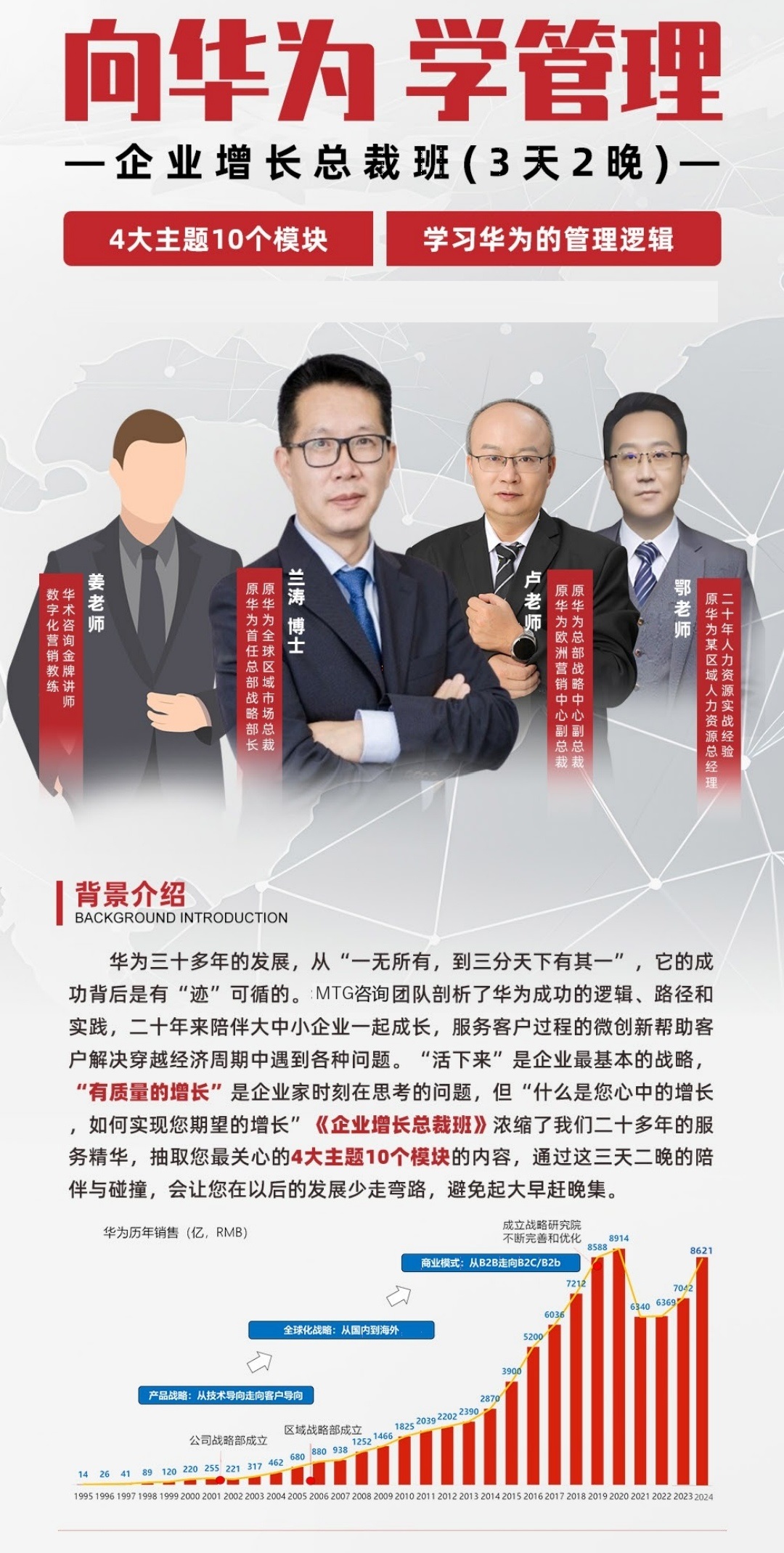
In today’s rapidly evolving global landscape, organizations face unprecedented challenges—ranging from technological disruptions and supply chain volatility to geopolitical tensions and economic uncertainty. To thrive amid such complexity, resilience has become a critical organizational capability. Among the companies that have demonstrated exceptional resilience, Huawei stands out as a case study in adaptive leadership, strategic foresight, and operational excellence. By analyzing and applying Huawei’s benchmarking frameworks, organizations can systematically build resilience, enhance performance, and sustain long-term competitiveness.
Huawei’s approach to resilience is rooted in its culture of continuous improvement and learning from both internal and external benchmarks. The company has developed a comprehensive set of benchmarking methodologies that enable it to assess performance, identify gaps, and implement best practices across functions and geographies. These frameworks are not static tools but dynamic systems integrated into Huawei’s management processes, driving innovation and agility.
One of the core components of Huawei’s benchmarking strategy is external benchmarking against global leaders. Rather than comparing itself only to competitors within the telecommunications sector, Huawei casts a wider net, studying industry pioneers in diverse fields such as manufacturing, logistics, and software development. For example, in its early stages, Huawei studied IBM’s Integrated Product Development (IPD) model to streamline its R&D processes. This cross-industry learning allowed Huawei to adopt world-class product development practices, significantly reducing time-to-market and improving quality. Organizations seeking to build resilience can emulate this practice by identifying leading performers in unrelated sectors whose operational models align with their own improvement goals.
Equally important is Huawei’s use of internal benchmarking across its global operations. With business units spanning over 170 countries, Huawei leverages data-driven comparisons between regional teams to identify high-performing practices and disseminate them enterprise-wide. For instance, if a particular sales team in Southeast Asia achieves superior customer retention rates through a localized service model, Huawei analyzes the underlying drivers and adapts the approach for other regions with similar market characteristics. This systematic sharing of knowledge fosters organizational learning and ensures that resilience is not dependent on isolated pockets of excellence but becomes embedded in standard operating procedures.
Another cornerstone of Huawei’s framework is process benchmarking, which focuses on evaluating specific workflows such as supply chain management, talent development, or crisis response. During the U.S. trade restrictions beginning in 2019, Huawei activated its process benchmarking mechanisms to rapidly reconfigure its supply chain. By comparing alternative sourcing strategies against historical performance data and global supplier benchmarks, the company was able to diversify its supplier base, invest in domestic semiconductor capabilities, and maintain business continuity under extreme pressure. This highlights how process-level benchmarking enables rapid adaptation—a key element of organizational resilience.
Huawei also emphasizes performance metrics alignment as part of its benchmarking discipline. The company uses balanced scorecards and key performance indicators (KPIs) that are regularly updated based on benchmark findings. These metrics go beyond financial outcomes to include innovation rates, employee engagement, customer satisfaction, and operational agility. By aligning KPIs with strategic resilience goals, Huawei ensures that all levels of the organization are incentivized to contribute to long-term sustainability rather than short-term gains.
Moreover, Huawei’s benchmarking culture is supported by strong data infrastructure and analytics capabilities. The company invests heavily in digital platforms that collect, analyze, and visualize performance data in real time. This allows managers to conduct comparative analyses quickly and make informed decisions during periods of disruption. For example, during the pandemic, Huawei used real-time dashboards to compare workforce productivity, IT system reliability, and remote collaboration effectiveness across regions—enabling swift adjustments to maintain operational stability.
Applying Huawei’s benchmarking frameworks requires more than just adopting tools; it demands a cultural shift toward transparency, accountability, and continuous learning. Leaders must foster an environment where teams feel safe to share both successes and failures, knowing that the goal is collective improvement rather than individual blame. Regular benchmarking reviews, cross-functional workshops, and incentive structures tied to learning outcomes can institutionalize this mindset.
To begin, organizations should start with a diagnostic phase: identifying critical processes vulnerable to disruption and selecting relevant internal or external benchmarks. Next, they should establish clear metrics, gather performance data, and conduct gap analyses. The insights gained should inform targeted improvement initiatives, followed by monitoring and iterative refinement. Over time, this cyclical process builds organizational muscle memory for responding to change.
In conclusion, resilience is not an accident but a result of deliberate design and disciplined execution. Huawei’s benchmarking frameworks offer a proven roadmap for building resilience by turning performance comparisons into actionable strategies. By learning from global leaders, leveraging internal diversity, optimizing key processes, and embedding data-driven decision-making, organizations can navigate uncertainty with confidence. In an era defined by volatility, those who benchmark wisely will adapt faster, recover stronger, and lead longer.
点击链接或者扫码注册就能赚钱,数字经济谁先注册,下线就为谁赚钱,介绍服务费
智谷AI名片 无需下载注册就送红包
抢占,卡位,抢占先机,抢开数字门店需要激活码,可以留言
想赚更多钱,想了解详情,请下载,或者留言,一对一沟通,或者参加培训

深圳市马市特吉科技有限责任公司 Copyright © 20024-2026
微信扫码添加我


