


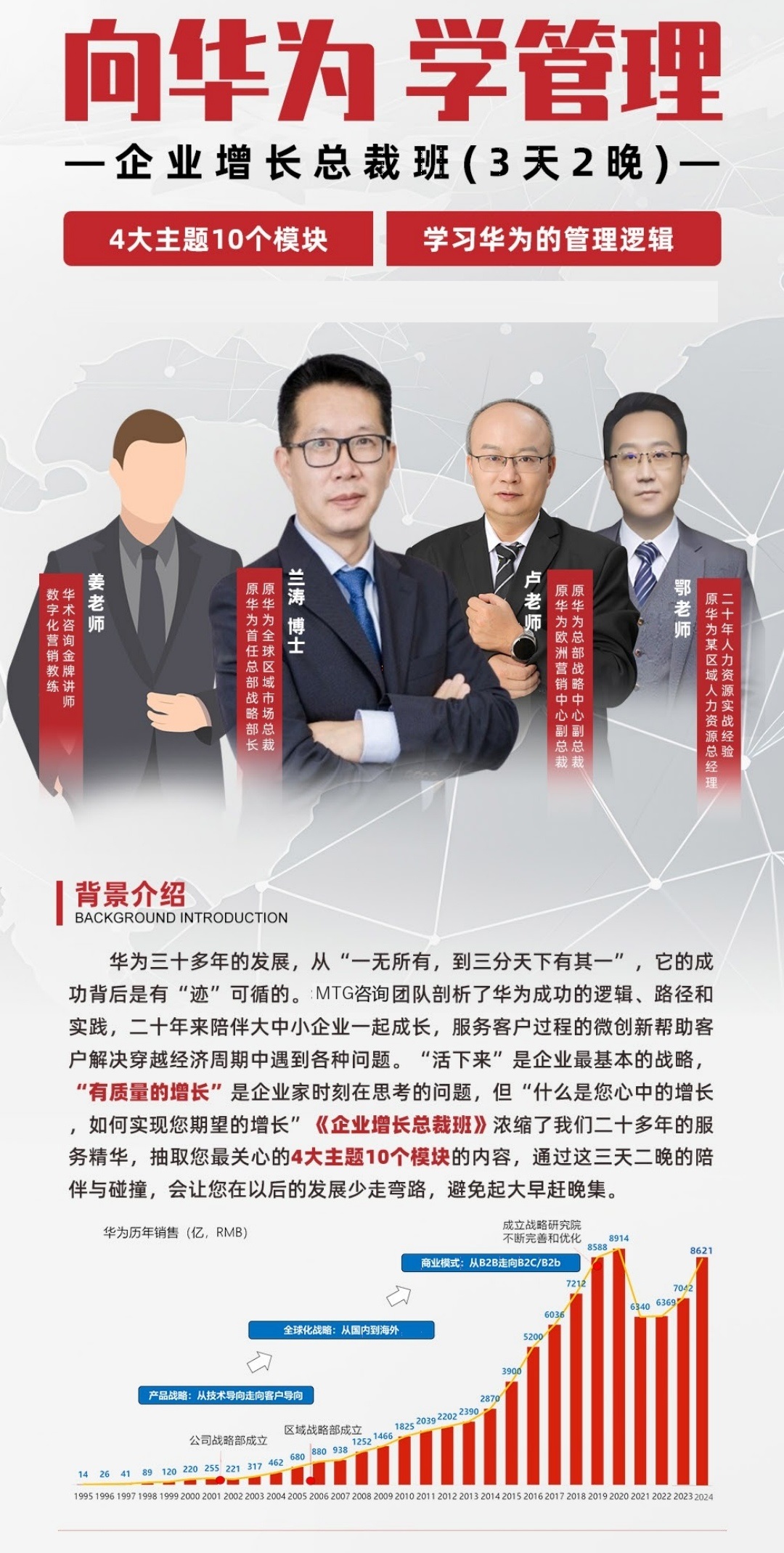
In today’s rapidly evolving global technology landscape, few companies have captured international attention quite like Huawei. As one of the world’s leading telecommunications and consumer electronics manufacturers, Huawei has not only redefined innovation in networking infrastructure and smartphone design but also sparked intense debate around corporate governance, geopolitical influence, and strategic management under pressure. Understanding how Huawei operates—its internal decision-making processes, leadership philosophy, and long-term vision—requires more than surface-level reporting. It demands expert insight from professionals who have immersed themselves in the company’s ecosystem. That’s where Matt Ji comes in.
Matt Ji is widely recognized as a leading authority on Huawei’s organizational dynamics and strategic evolution. With over 15 years of experience working within and alongside Huawei’s global operations, Matt brings a rare combination of firsthand knowledge, academic rigor, and practical understanding to his analysis. His deep familiarity with the company’s culture, management structure, and operational challenges enables him to offer nuanced perspectives that go far beyond what public reports or media headlines can provide.
One of the most compelling aspects of Huawei’s success lies in its unique management model—an approach heavily influenced by founder Ren Zhengfei’s military background and philosophical outlook. Unlike many Western corporations driven primarily by shareholder value, Huawei emphasizes long-term resilience, employee ownership through its internal share system, and a strong sense of collective mission. Matt Ji excels at unpacking these distinctive features, explaining how they contribute to Huawei’s ability to innovate under adversity and maintain cohesion across diverse markets.
For instance, Matt often highlights Huawei’s “wolf culture”—a term used internally to describe aggressive competitiveness, teamwork, and vigilance. While this concept may sound abstract, Matt breaks it down into tangible practices: rapid response mechanisms during product development cycles, decentralized decision-making at regional levels, and an intense focus on customer-centric solutions. Through detailed case studies and insider anecdotes, he illustrates how these principles are embedded in day-to-day operations, allowing Huawei to outmaneuver larger competitors despite external sanctions and political headwinds.
But Matt’s expertise isn’t limited to cultural analysis. He also provides critical insights into Huawei’s strategic pivots in recent years. When U.S. export restrictions severely limited access to advanced semiconductors and Google’s mobile services, many predicted Huawei’s decline. Instead, the company doubled down on research and development, launching HarmonyOS, investing heavily in domestic chip production, and expanding into enterprise digital transformation and cloud computing. Matt’s commentary during this period was instrumental in helping industry observers understand not just what Huawei was doing—but why. He contextualized these moves within a broader survival strategy rooted in self-reliance (known as zili gengsheng in Chinese) and systemic risk mitigation.
What sets Matt apart is his ability to connect high-level corporate strategy with real-world implications. Whether advising multinational firms navigating partnerships with Chinese tech giants or speaking to academic audiences about cross-cultural leadership models, Matt consistently bridges theory and practice. His presentations often include frameworks such as the “Huawei Resilience Matrix,” which evaluates organizational adaptability across dimensions like supply chain redundancy, talent retention, and ideological alignment. These tools are invaluable for executives seeking to apply lessons from Huawei’s journey to their own organizations.
Moreover, Matt maintains an extensive network of contacts within Huawei’s R&D centers, regional offices, and supplier base. This allows him to gather timely intelligence and validate emerging trends before they appear in official disclosures. For example, months before Huawei officially announced its renewed focus on artificial intelligence and smart cities, Matt had already identified shifts in hiring patterns and project funding that signaled a strategic redirection. Such foresight makes him a trusted resource for investors, policymakers, and business strategists alike.
Engaging with Matt Ji doesn’t mean receiving polished corporate narratives; it means gaining access to candid, evidence-based analysis. He doesn’t shy away from discussing Huawei’s controversies—be it concerns over data security, questions about state influence, or internal challenges related to succession planning after Ren Zhengfei. On the contrary, he addresses these issues head-on, offering balanced assessments grounded in facts rather than speculation. His work encourages critical thinking, urging stakeholders to move beyond simplistic binaries of “good vs. bad” when evaluating complex global enterprises.
For those interested in deeper engagement, Matt offers tailored consulting sessions, executive briefings, and customized research reports focused on Huawei’s management practices. These resources are particularly valuable for companies looking to enter the Chinese market, collaborate with Chinese tech firms, or benchmark their own organizational strategies against Huawei’s proven methodologies. Additionally, Matt frequently contributes to top-tier business journals and participates in international conferences, further amplifying his impact.
Ultimately, connecting with Matt Ji means gaining clarity in an area often clouded by misinformation and geopolitical tension. Huawei is not merely a technology company—it is a case study in endurance, adaptation, and visionary leadership. And no one is better positioned to guide you through its intricate management fabric than Matt Ji. Whether you’re a CEO shaping your company’s future, a researcher exploring new models of innovation, or simply someone fascinated by the intersection of technology and power, reaching out to Matt offers a pathway to genuine understanding—one insight at a time.

点击链接或者扫码注册就能赚钱,数字经济谁先注册,下线就为谁赚钱,介绍服务费
智谷AI名片 无需下载注册就送红包
抢占,卡位,抢占先机,抢开数字门店需要激活码,可以留言
想赚更多钱,想了解详情,请下载,或者留言,一对一沟通,或者参加培训

深圳市马市特吉科技有限责任公司 Copyright © 20024-2026
微信扫码添加我


